Why Budget Meal Prep Is a Metabolic Power Move for Weight Loss
Meal prepping on a budget isn’t just about saving money — it’s a strategic lever for stabilizing energy, curbing impulsive eating, and aligning food choices with metabolic efficiency. When meals are planned and portioned in advance, the body avoids the metabolic whiplash of erratic glucose spikes and crashes that often trigger overeating. Research from the Nutrients Journal highlights that structured meal timing can improve insulin sensitivity, a key factor in fat oxidation and long-term weight management. The real win, however, lies in the time reclaimed: eliminating daily decision fatigue around food choices frees up cognitive bandwidth for other priorities.
This approach also reduces exposure to ultra-processed foods, which are linked to higher calorie intake due to their hyper-palatable formulations. A Harvard T.H. Chan School of Public Health analysis underscores that whole-food-based meal plans are associated with lower body mass index (BMI) and reduced risk of metabolic syndrome. The financial savings compound further when bulk purchasing staples like beans, lentils, and frozen vegetables — ingredients that deliver fiber, protein, and micronutrients at a fraction of the cost of pre-packaged meals.
How to Build a Budget Meal Prep System That Works for Your Metabolism
Effective meal prepping begins with a metabolic audit of your routine. The goal is to design meals that maintain steady glucose levels, support satiety hormones like leptin and peptide YY, and minimize the release of ghrelin, the hunger-stimulating hormone. Start by identifying your baseline caloric needs based on activity level and body composition, then allocate 70% of your budget to nutrient-dense staples and 30% to perishable items like fresh produce or lean proteins. This ratio ensures dietary diversity without compromising affordability.
Prioritize ingredients with a low glycemic load (GL) to prevent post-meal energy slumps. For example, swapping white rice for quinoa or brown rice reduces GL by approximately 30%, which can translate to fewer cravings later in the day. Frozen vegetables are an underrated ally here, they retain 90% of their nutritional value post-freezing and cost significantly less than fresh options out of season. Canned beans, when rinsed thoroughly, provide a cost-effective source of fiber and plant-based protein, with studies showing they improve gut microbiome diversity, a factor linked to reduced inflammation and improved metabolic health.
Core Principles for Metabolically Efficient Meal Prep
- Protein-first assembly: Start each meal with a lean protein source (chicken breast, tofu, eggs, or legumes) to anchor satiety and stabilize blood sugar. Protein’s thermic effect, the energy required to digest it, accounts for 20–30% of its caloric content, making it a natural metabolic booster.
- Fiber as a filler: Non-starchy vegetables (spinach, broccoli, zucchini) add volume without excess calories, while soluble fiber (oats, barley, apples) slows carbohydrate absorption, reducing insulin spikes. Aim for at least 25–30 grams of fiber daily to support gut motility and appetite regulation.
- Healthy fat moderation: Incorporate unsaturated fats (avocado, nuts, olive oil) in controlled portions to enhance flavor and nutrient absorption without overloading calories. A thumb-sized portion of nuts or a tablespoon of oil per meal is sufficient for most adults.
- Hydration as a metabolic regulator: Dehydration can mimic hunger cues, leading to unnecessary snacking. Aim for 0.5–1 ounces of water per pound of body weight daily, adjusting for activity and climate. Herbal teas and infused water can replace sugary beverages without added calories.
Step-by-Step: A 7-Day Budget Meal Prep Routine
The following protocol is designed for a 1,600–1,800 calorie/day plan, scalable up or down based on individual needs. It assumes two hours of prep time on Sunday and 15–20 minutes of daily assembly. Adjust portion sizes according to your activity level and weight loss goals.
Prep Day Checklist (Sunday)
| Task | Time Estimate | Notes |
|---|---|---|
| Plan 7 breakfasts, lunches, and dinners | 30 minutes | Use a template (e.g., protein + fiber + fat) to ensure balance. Rotate ingredients to avoid monotony. |
| Purchase staples in bulk | 45 minutes | Focus on frozen vegetables, canned beans, whole grains, and seasonal produce. Buy meat in family packs to freeze in portioned bags. |
| Batch-cook proteins | 60 minutes | Grill or bake 4–6 chicken breasts, cook 2 cups of dry lentils, or hard-boil a dozen eggs. Store in airtight containers for up to 5 days. |
| Pre-chop vegetables | 30 minutes | Wash, dry, and store in portioned containers. Use within 4 days to prevent spoilage. |
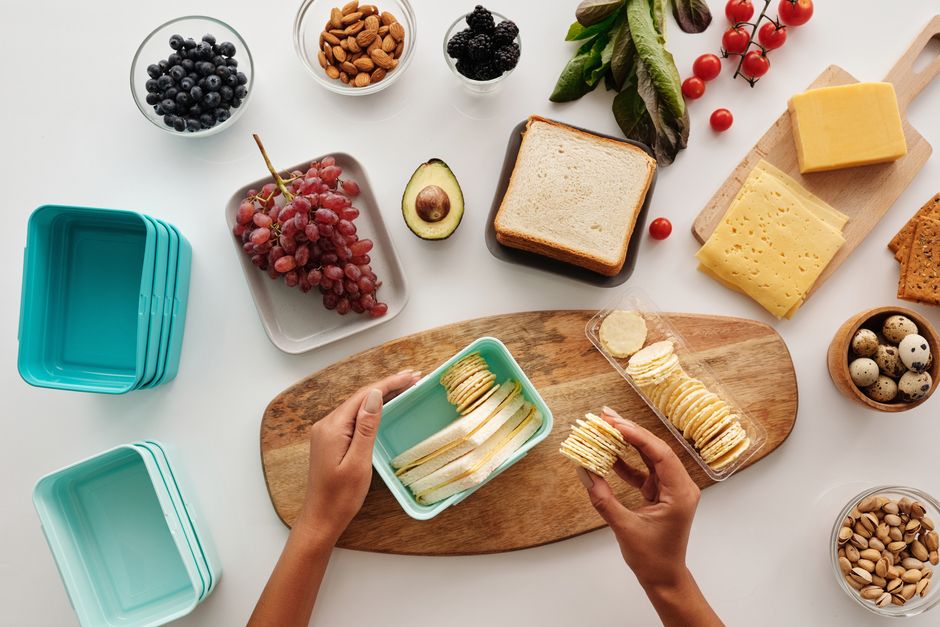
| Portion snacks | 15 minutes | Divide nuts, yogurt, or hummus into single servings to prevent overeating. |
Daily Assembly (10–15 minutes)
Combine prepped components with minimal effort. For example:
- Breakfast: Greek yogurt (unsweetened) + ½ cup frozen berries + 1 tbsp chia seeds.
- Lunch: 1 cup cooked quinoa + ½ cup black beans + 1 cup roasted vegetables + 1 tbsp tahini.
- Dinner: 4 oz baked chicken + 1 cup steamed broccoli + ½ cup mashed sweet potato.
- Snacks: 1 small apple + 1 tbsp almond butter; or ¼ cup cottage cheese + cucumber slices.
Troubleshooting Common Metabolic Pitfalls
Even the best-laid plans hit snags. Here’s how to course-correct when progress stalls:
Plateaus and Portion Creep
If weight loss stalls despite consistent prep, reassess portion sizes using the Mayo Clinic’s hand-size guide. Use your palm to measure proteins, your fist for grains, and your cupped hand for fats. Re-measure after 2 weeks to account for changes in body composition. If portions feel too small, increase vegetable volume to add bulk without calories.
Cravings and Stress Eating
Chronic stress elevates cortisol, which can increase appetite and water retention, but only in the context of an energy surplus. To mitigate this, prioritize sleep (7–9 hours nightly) and incorporate stress-reducing activities like walking or deep breathing. Magnesium-rich foods (spinach, pumpkin seeds, dark chocolate) may also help regulate cortisol levels. If cravings persist, consider adding a small, protein-rich snack (e.g., a hard-boiled egg) to stabilize blood sugar.
Food Fatigue and Monotony
Rotate ingredients every 3–4 days to prevent sensory-specific satiety, the phenomenon where repeated exposure to the same foods reduces enjoyment. For example, swap quinoa for farro one week, or rotate between roasted, steamed, and raw vegetables. Spices and herbs (turmeric, cumin, basil) can also refresh flavors without adding calories.
Myth: Meal Prepping Requires Expensive Ingredients
This misconception stems from the marketing of pre-packaged “clean eating” meals, which often inflate costs by 30–50%. In reality, the most metabolically efficient meal plans rely on affordable staples:
- Beans and lentils: Cost as little as $0.10 per serving and provide 15–18 grams of protein per cup.
- Frozen vegetables: Often cheaper than fresh and retain nutrients for up to 8 months. Opt for mixes like stir-fry or Mediterranean blends to simplify prep.
- Eggs: One of the most bioavailable protein sources, with a cost of ~$0.20 per egg. Hard-boiled eggs can be stored for up to a week.
- Canned tuna or sardines: Rich in omega-3s and protein, priced at ~$1.50 per can. Rinse to reduce sodium content.
Even lean meats become cost-effective when bought in bulk and frozen. A 5-pound chicken breast, portioned and frozen, costs ~$1.20 per serving, less than many fast-food options.
Frequently Asked Questions
Q: How do I prevent meal prep from feeling like a chore?
A: Treat prep as a creative process rather than a chore. Use themes (e.g., “Mexican Monday,” “Asian-Inspired Wednesday”) to keep flavors varied. Invest in stackable containers to streamline storage and reheating.
Q: Can I meal prep if I have dietary restrictions (e.g., gluten-free, dairy-free)?
A: Absolutely. Substitute grains with rice, quinoa, or gluten-free oats. Use coconut milk or almond milk in place of dairy, and opt for plant-based proteins like tempeh or chickpeas. Always check labels for hidden additives in processed foods.
Q: How long can I safely store prepped meals?
A: Most cooked meals last 3–4 days in the refrigerator. Freeze portions for up to 3 months if you won’t use them within a week. Reheat to 165°F (74°C) to ensure food safety.
Q: Does meal prepping work for weight maintenance, or is it only for weight loss?
A: It’s effective for both. The key is portion control and nutrient density. For maintenance, focus on adding more vegetables and healthy fats to meals while keeping protein consistent.
Key Takeaways
- Budget meal prep stabilizes glucose levels, reducing insulin spikes that drive fat storage and cravings.
- Prioritize protein and fiber to enhance satiety and support gut health, which is linked to metabolic efficiency.
- Frozen and canned foods are cost-effective and nutritionally comparable to fresh options when chosen carefully.
- Portion control, not deprivation, is the cornerstone of sustainable weight loss.
- Rotating ingredients and flavors prevents food fatigue and keeps meals enjoyable.
Recommended Health & Fitness Gear