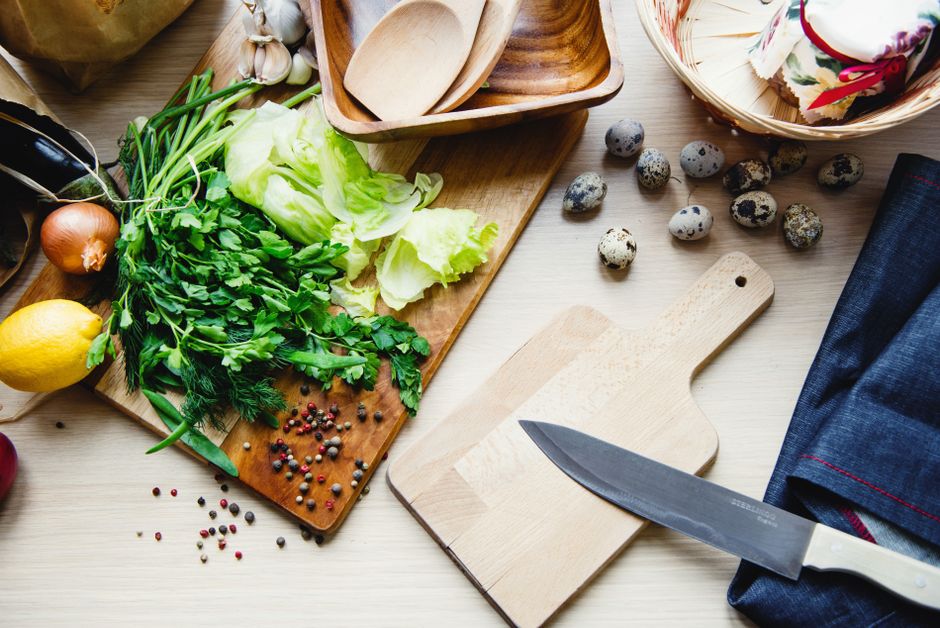
Why Budget Meal Prep Works for Sustainable Weight Loss
Meal prepping on a budget is not just about saving money — it’s a strategic approach to weight loss that aligns with metabolic efficiency and behavioral consistency. Research from the Nutrients Journal highlights that structured meal planning improves dietary quality by reducing impulsive food choices, which are often tied to higher-calorie, lower-nutrient options. When meals are prepared in advance, individuals are less likely to rely on convenience foods that disrupt energy balance. This method also supports portion control, a critical factor in creating a sustainable calorie deficit without restrictive dieting.
Budget meal prep leverages whole, minimally processed foods that are both affordable and nutrient-dense. According to the Harvard T.H. Chan School of Public Health, prioritizing vegetables, legumes, whole grains, and lean proteins provides the necessary fiber, vitamins, and minerals to support metabolic health while keeping costs low. The key is to focus on seasonal produce, bulk purchases, and versatile ingredients that can be repurposed across multiple meals.
Core Principles of Budget-Friendly Meal Prep
1. Prioritize High-Satiety, Low-Cost Ingredients
Foods with high satiety per calorie — such as beans, lentils, oats, eggs, and frozen vegetables, are ideal for budget meal prep. These ingredients are rich in protein and fiber, which promote fullness and reduce the likelihood of overeating. The Mayo Clinic Nutrition Guide emphasizes that protein and fiber slow gastric emptying, stabilizing blood sugar and curbing cravings. For example, a cup of cooked lentils provides 18 grams of protein and 16 grams of fiber for under 230 calories, making it a cost-effective staple.
2. Batch Cooking for Efficiency and Waste Reduction
Batch cooking minimizes active time in the kitchen while maximizing output. Dedicate one to two hours per week to prepare large quantities of grains, proteins, and vegetables that can be mixed and matched. For instance, cooking a whole chicken or a pot of quinoa provides multiple meal components. This approach reduces food waste by ensuring ingredients are used before spoiling and lowers the temptation to order takeout due to time constraints.
3. Repurpose Ingredients to Avoid Flavor Fatigue
Repetition in meals can lead to dietary boredom, which may derail weight loss efforts. To maintain variety, use a "base + variation" system. For example, prepare a batch of roasted sweet potatoes and use them in bowls, salads, or as a side dish throughout the week. Similarly, cook a large pot of chili and serve it over rice one day, in a wrap the next, or as a topping for baked potatoes. This strategy keeps meals interesting without requiring additional shopping or prep time.
Step-by-Step Budget Meal Prep Routine
Day 1: Plan and Shop
- Assess your pantry: Take inventory of staples like rice, beans, and spices to avoid duplicate purchases.
- Choose 3-4 versatile proteins: Opt for affordable options like chicken thighs, ground turkey, tofu, or canned tuna.
- Select 2-3 carbohydrate sources: Brown rice, whole-wheat pasta, or sweet potatoes work well.
- Pick 4-5 vegetables: Focus on frozen or seasonal fresh produce to minimize cost. Frozen spinach, broccoli, and mixed vegetables retain nutrients and are often cheaper than fresh.
- Add flavor boosters: Garlic, onions, low-sodium soy sauce, and herbs can transform simple dishes.
Day 2: Prep Day
- Cook grains and proteins: Prepare a large batch of quinoa, brown rice, or whole-wheat pasta. Cook proteins in bulk, bake chicken thighs, hard-boil eggs, or sauté tofu.
- Chop vegetables: Wash, peel, and chop onions, bell peppers, carrots, and leafy greens. Store in airtight containers to maintain freshness.
- Portion meals: Divide components into single-serving containers for grab-and-go convenience. Use clear containers to easily identify contents.
- Label and refrigerate: Store meals for up to 4 days in the fridge or freeze portions for longer storage.
Day 3-7: Assemble and Enjoy
- Mix and match: Combine proteins, grains, and vegetables in different ratios to create varied meals. For example, use leftover chicken in a grain bowl one day and a wrap the next.
- Add fresh elements: Incorporate fresh herbs, lemon juice, or a drizzle of olive oil just before eating to enhance flavor and texture.
- Monitor portions: Use a food scale or measuring cups to ensure consistent serving sizes, especially for calorie-dense foods like nuts or oils.
Troubleshooting Common Budget Meal Prep Challenges
Problem: Meals taste bland or repetitive.
Solution: Use herbs, spices, and acid (lemon juice, vinegar) to add depth. Rotate cooking methods, roast, steam, or stir-fry, to change textures. For example, roasted chickpeas can be seasoned differently each time (smoky paprika one day, garlic-herb the next).
Problem: Ingredients spoil before use.
Solution: Store chopped vegetables in water (for celery or carrots) or wrap leafy greens in a paper towel to absorb moisture. Freeze extras like cooked beans or grains if they won’t be used within 4 days.
Problem: Meal prep feels time-consuming.
Solution: Invest in tools like a slow cooker or Instant Pot to cook proteins and grains simultaneously. Use pre-cut frozen vegetables to skip chopping. Dedicate prep time to when you’re already in the kitchen, such as while dinner is cooking.
Myth: Budget Meal Prep Means Sacrificing Nutrition
Contrary to the belief that affordable eating equates to poor nutrition, budget meal prep can be just as healthy as any other approach. The misconception often stems from equating cost with quality, but nutrient density is not solely determined by price. For example, canned beans are a budget-friendly source of protein and fiber, while frozen vegetables retain vitamins and minerals at a fraction of the cost of fresh out-of-season produce. The key is to focus on whole foods and avoid highly processed items, regardless of their price tag.
Another myth is that meal prepping requires expensive specialty ingredients. In reality, staples like oats, eggs, and frozen vegetables form the foundation of many healthy meal plans. The Harvard Healthy Eating Plate demonstrates that a balanced plate can be achieved with simple, affordable foods. The challenge lies in creativity and planning, not in spending more.
7-Day Budget Meal Prep Action Plan
| Day | Prep Focus | Sample Meals |
|---|---|---|
| Monday | Shop and prep staples | N/A |
| Tuesday | Batch cook proteins and grains | N/A |
| Wednesday | Chop vegetables and assemble containers | Grain bowl with chicken, quinoa, roasted veggies |
| Thursday | Repurpose leftovers | Chicken wrap with hummus and spinach |
| Friday | Use frozen ingredients | Lentil soup with frozen mixed vegetables |
| Saturday | Light prep for Sunday | Hard-boiled eggs, overnight oats |
| Sunday | Review and adjust plan | N/A |
FAQ: Budget Meal Prep for Weight Loss
Q: Can I meal prep on a budget if I have dietary restrictions?
A: Absolutely. Focus on naturally gluten-free, dairy-free, or plant-based staples like rice, beans, lentils, and tofu. These ingredients are often more affordable than specialty products and can be seasoned to suit various dietary needs.
Q: How do I prevent food waste when meal prepping?
A: Store ingredients properly, use airtight containers and refrigerate or freeze as needed. Plan meals that use similar ingredients across the week to ensure everything is consumed. For example, if you buy a head of cauliflower, use it in stir-fry, roasted as a side, and blended into soup.
Q: Is it cheaper to meal prep or buy takeout?
A: Meal prepping is significantly cheaper. A homemade meal costs an average of $2 to $4 per serving, while takeout averages $10 to $15 per meal. Over time, the savings add up, making meal prep a cost-effective strategy for weight loss and overall health.
Q: How can I make budget meal prep more enjoyable?
A: Treat meal prep as a creative process. Experiment with new spices, cuisines, or cooking methods. Involve family members or friends to make it a social activity. Playing music or listening to a podcast can also make the process more enjoyable.
Key Takeaways
- Prioritize high-satiety, low-cost foods: Focus on protein and fiber-rich ingredients like beans, lentils, and eggs to promote fullness and reduce cravings.
- Batch cook for efficiency: Dedicate time to prepare large quantities of grains, proteins, and vegetables to minimize daily cooking and reduce food waste.
- Repurpose ingredients: Use a "base + variation" system to create diverse meals from a few core components, preventing dietary boredom.
- Plan and shop strategically: Take inventory of pantry staples, choose versatile ingredients, and buy in bulk to maximize savings.
- Store and portion correctly: Use airtight containers, label meals, and refrigerate or freeze as needed to maintain freshness and portion control.
Budget meal prep is a practical, science-backed strategy for sustainable weight loss. By focusing on nutrient-dense, affordable ingredients and efficient preparation methods, individuals can achieve their health goals without breaking the bank or sacrificing flavor or variety.
Recommended Health & Fitness Gear