Why Meal Prep Feels Like a Chore — and How to Make It Effortless
Meal prepping is often marketed as the ultimate productivity hack for weight loss, yet many people abandon it within weeks. The disconnect isn’t laziness — it’s a mismatch between rigid systems and the body’s natural rhythms. When meal prep feels like a chore, it’s usually because the approach ignores three key biological realities: appetite regulation, metabolic flexibility, and behavioral sustainability. Understanding these mechanisms can turn a frustrating routine into a seamless habit.
Appetite isn’t just about willpower; it’s governed by hormones like ghrelin (the hunger signal) and leptin (the satiety signal). When meal prep forces rigid portions or flavors, it can disrupt these signals, making hunger feel erratic and meals unsatisfying. Meanwhile, metabolic flexibility, the body’s ability to switch between burning carbs and fats, diminishes when meals lack variety or fiber, leading to energy crashes that derail adherence. The solution isn’t to force discipline but to design a system that works with, not against, these processes.
Common Pitfalls That Turn Meal Prep Into a Burden
Most meal prep failures stem from three recurring mistakes:
- Over-reliance on batch cooking: Preparing identical meals for days ignores the body’s need for dietary diversity. Repeated exposure to the same foods can blunt taste satisfaction, a phenomenon called sensory-specific satiety, which may reduce overall intake but also increases cravings for novelty.
- Ignoring meal timing: Eating large, infrequent meals can spike insulin and ghrelin, creating a cycle of hunger and overeating. The Harvard Healthy Eating Plate recommends balancing macronutrients across meals to stabilize blood sugar and appetite.
- Neglecting food fatigue: Even healthy foods lose their appeal when consumed too frequently. Research in the Nutrients Journal highlights that dietary monotony can reduce meal enjoyment, making adherence harder over time.
The Metabolic Cost of Rigid Meal Prep
Weight loss isn’t just about calories in and calories out, it’s about how those calories interact with hormones and metabolism. When meal prep prioritizes efficiency over flexibility, it can inadvertently:
- Disrupt circadian rhythms: Eating at inconsistent times can desynchronize the body’s internal clock, altering cortisol rhythms and increasing late-night snacking. The Mayo Clinic Nutrition Guide emphasizes meal timing as a factor in metabolic health.
- Reduce non-exercise activity thermogenesis (NEAT): If meal prep leaves little time for movement, the body compensates by lowering spontaneous activity, which can stall fat loss. A 2019 study in Nutrients found that meal timing and activity levels are interconnected in weight management.
- Trigger reward-system backlash: When meals feel like a punishment (e.g., dry chicken and steamed broccoli every night), the brain’s dopamine pathways may seek compensation through less healthy options.
How to Design a Meal Prep System That Works
To make meal prep sustainable, focus on three principles: flexibility, variety, and ease. Here’s how to apply them:
1. Embrace the “Flexible Batch” Approach
Instead of cooking full meals in advance, prep modular components that can be mixed and matched. For example:
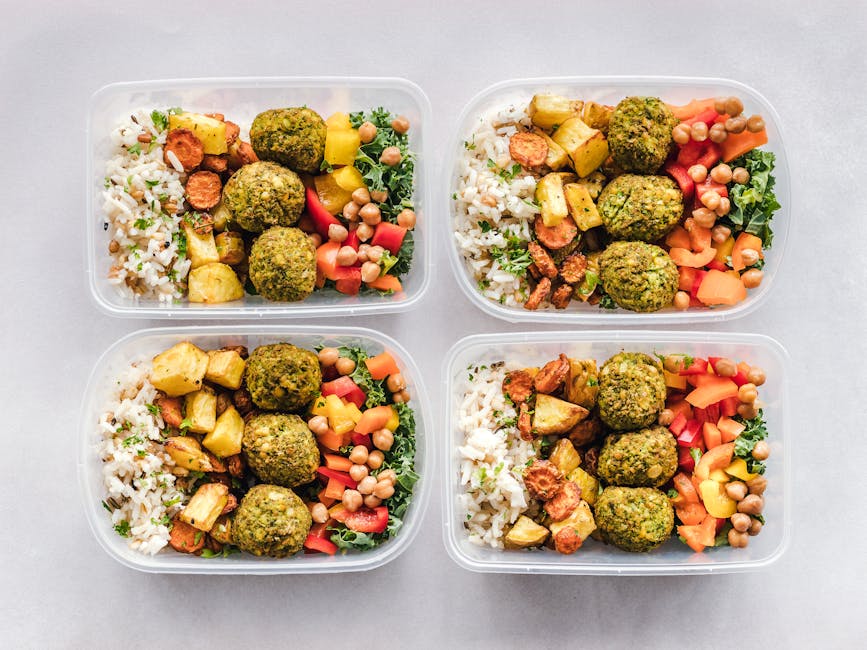
- Cook a base of quinoa or brown rice for the week, then pair it with different proteins (grilled chicken, tofu, or lentils) and sauces (tahini, pesto, or salsa).
- Roast a variety of vegetables (e.g., sweet potatoes, Brussels sprouts, zucchini) and store them separately to avoid flavor fatigue.
- Use frozen or pre-cut vegetables to reduce prep time while maintaining nutrient diversity.
This method aligns with the body’s need for variety while minimizing daily cooking effort. A 2020 review in Nutrients supports the benefits of dietary variety for metabolic health and adherence.
2. Prioritize Protein and Fiber for Satiety
Protein and fiber slow gastric emptying, stabilizing ghrelin and promoting fullness. Aim for:
- 20–30g of protein per meal (e.g., Greek yogurt, eggs, lean meats, or legumes).
- At least 5g of fiber per meal (e.g., chia seeds, berries, or leafy greens).
This combination helps regulate appetite and reduces the likelihood of overeating later. The Harvard Healthy Eating Plate recommends filling half your plate with vegetables and a quarter with protein for optimal satiety.
3. Schedule Prep Around Your Natural Hunger Cues
Instead of forcing meals at fixed times, align prep with your body’s hunger signals. For example:
- If you’re hungrier in the morning, prep overnight oats or egg muffins for quick breakfasts.
- If evenings are chaotic, portion out snacks like nuts or hummus with veggies to avoid impulsive choices.
- Use a hunger scale (1–10) to guide meal timing rather than a clock.
This approach reduces the mental load of meal prep and prevents the metabolic stress of undereating or overeating.
Myth: Meal Prep Requires Hours in the Kitchen
A pervasive myth is that meal prep demands a full Sunday afternoon. In reality, efficient prep is about strategy, not time. Research shows that even 30 minutes of focused prep three times a week can yield significant benefits for dietary quality and weight management.
Tactics to save time:
- Use a slow cooker or Instant Pot: These tools allow hands-off cooking for proteins and grains while you attend to other tasks.
- Repurpose leftovers: Turn last night’s dinner into today’s lunch by doubling portions or transforming ingredients (e.g., roasted chicken into a salad or soup).
- Invest in pre-cut or frozen produce: Frozen vegetables are nutritionally equivalent to fresh and often more convenient.
The key is to optimize, not perfect. Even imperfect meal prep can outperform no prep when it comes to weight loss and metabolic health.
FAQ: Addressing Common Concerns
Does meal prep slow metabolism?
No. Metabolism isn’t a static “calorie-burning machine” that grinds to a halt with meal prep. However, severe calorie restriction or prolonged fasting can trigger adaptive thermogenesis, where the body reduces energy expenditure to conserve fuel. The solution is to avoid extreme deficits and prioritize balanced meals that support metabolic flexibility.
How can I prevent food boredom during meal prep?
Rotate ingredients every 3–4 days to maintain sensory novelty. For example, swap spinach for kale, quinoa for farro, or chicken for turkey. The Nutrients Journal notes that dietary variety can enhance meal enjoyment and adherence.
Is it better to prep all meals at once or spread them out?
Spread them out. Prepping all meals for the week can lead to spoilage and monotony. Instead, prep components in stages (e.g., proteins on Monday, grains on Wednesday) to keep meals fresh and reduce waste.
Can meal prep work for picky eaters?
Yes, but it requires a tailored approach. Start with small portions of preferred foods and gradually introduce new ingredients. Pairing unfamiliar foods with familiar flavors (e.g., adding cheese to broccoli) can ease the transition.
Key Takeaways: The Science of Sustainable Meal Prep
- Appetite regulation: Meal prep should align with ghrelin and leptin rhythms to avoid hunger spikes and crashes.
- Metabolic flexibility: Variety in meals supports the body’s ability to switch between fuel sources, preventing energy slumps.
- Behavioral sustainability: Flexible, modular prep reduces mental fatigue and increases long-term adherence.
- Efficiency over perfection: Even minimal prep (e.g., 30 minutes, 3x/week) can improve dietary quality and weight outcomes.
- Timing matters: Meal timing should adapt to individual hunger cues rather than rigid schedules.
Meal prep doesn’t have to feel like a chore. By designing a system that respects the body’s natural rhythms, prioritizing variety, flexibility, and ease, it can become a seamless part of a sustainable weight loss strategy.
Recommended Health & Fitness Gear