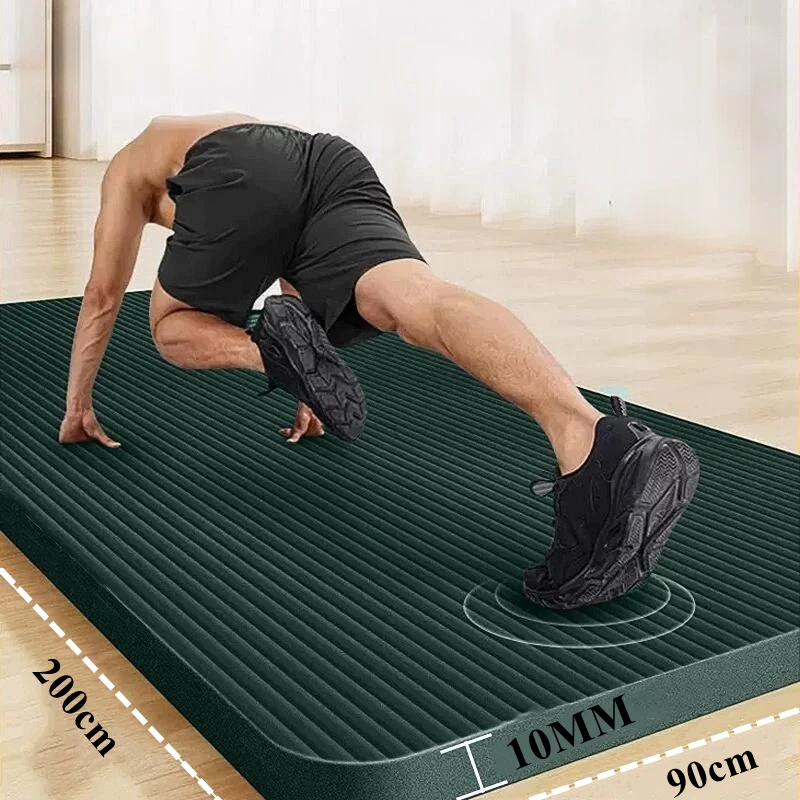
Why Strength Training Belongs in Your Fat Loss Plan
When most people think of fat loss, they picture hours on the treadmill or restrictive diets. Yet the most effective — and sustainable — approach combines nutrition with strength training. Research consistently shows that resistance exercise preserves lean muscle during a calorie deficit, which helps maintain metabolic rate and supports long-term fat loss. A 2019 review in Nutrients highlights that strength training enhances body composition by increasing muscle mass while reducing fat stores, particularly visceral fat, the type linked to metabolic disease risk.Source: Nutrients Journal (PMC)
Unlike steady-state cardio, which can contribute to muscle loss in a deficit, strength training signals the body to retain metabolically active tissue. This is critical because muscle tissue burns more calories at rest than fat tissue does. While the increase in resting metabolic rate from added muscle is modest, it compounds over time, especially when paired with proper nutrition. The key is consistency: a well-designed program performed 2–4 times per week delivers measurable results without the burnout of excessive exercise.
How Strength Training Burns Fat (Without the Cardio Myths)
Strength training doesn’t “burn” fat directly during workouts. Instead, it creates conditions that favor fat loss over the long term. One primary mechanism is excess post-exercise oxygen consumption (EPOC), where the body expends additional energy to repair muscle and restore homeostasis after resistance exercise. While the calorie burn from EPOC is modest compared to cardio, it contributes to a sustained energy deficit when combined with a balanced diet.
Another critical factor is hormonal regulation. Strength training improves insulin sensitivity, which helps the body use carbohydrates for energy rather than storing them as fat. It also supports healthy levels of hormones like leptin and ghrelin, which influence hunger and satiety. A diet that prioritizes whole foods, such as vegetables, lean proteins, and healthy fats, further enhances these metabolic benefits. The Harvard Healthy Eating Plate recommends filling half your plate with vegetables and a quarter with lean protein to optimize these effects.
Designing a Fat-Loss Strength Program: What Actually Works
A successful strength program for fat loss balances progressive overload with recovery. The goal isn’t to lift the heaviest weights possible but to challenge muscles consistently while allowing time for adaptation. A full-body routine performed 3 times per week is ideal for beginners and intermediates. Each session should include compound movements, exercises that engage multiple muscle groups, because they elicit the greatest metabolic and hormonal responses.
Below is a 7-day template designed for fat loss while preserving muscle. Adjust weights to reach near-failure on the final 1–2 reps of each set. Rest 60–90 seconds between sets to maintain performance quality.
Weekly Strength Plan for Fat Loss
| Day | Focus | Exercises (3 sets each) |
|---|---|---|
| Monday | Lower Body + Core |
|
| Wednesday | Upper Body + Core |
|
| Friday | Full Body + Conditioning |
|
For those new to strength training, start with bodyweight or light dumbbells to master form. Progress by increasing weight or reps gradually, typically 2.5–5 lbs per week for upper body and 5–10 lbs for lower body. Track your workouts to ensure consistent overload.
Nutrition: The Missing Link in Strength-Based Fat Loss
Strength training amplifies fat loss only when paired with a calorie-controlled diet rich in protein. Protein intake of 1.6–2.2 grams per kilogram of body weight per day supports muscle retention and satiety. The Mayo Clinic recommends distributing protein across meals to maximize muscle protein synthesis.
Hydration also plays a role in fat loss. Dehydration can mimic hunger and reduce exercise performance. Aim for 0.5–1 ounces of water per pound of body weight daily, adjusting for activity level and climate. Electrolytes, especially sodium and potassium, help maintain fluid balance during intense training.
Common Myths About Strength Training and Fat Loss
Myth: Lifting weights makes you bulky.
This misconception stems from the idea that muscle gain happens quickly and easily. In reality, building significant muscle requires a calorie surplus, high protein intake, and progressive overload over years, not weeks. For most people, strength training results in a leaner, more toned appearance due to fat loss and muscle definition. Women, in particular, rarely experience “bulking” because of lower testosterone levels.
Myth: Cardio is better for fat loss than strength training.
While cardio burns more calories during the workout, it doesn’t preserve muscle mass like strength training does. Muscle loss during a deficit can slow metabolism and increase fat regain risk. A balanced approach, combining both modalities, often yields the best body composition results.
Troubleshooting Your Plan: When Progress Stalls
If fat loss stalls despite consistent training and nutrition, consider these adjustments:
- Reassess calories: A prolonged deficit can slow metabolism. Try a 100–200 calorie increase for 2 weeks to reset, then return to your deficit.
- Prioritize sleep: Poor sleep increases cortisol and hunger hormones. Aim for 7–9 hours nightly.
- Vary intensity: If workouts feel stale, change rep ranges or exercises every 4–6 weeks to prevent plateaus.
- Check protein: Insufficient protein intake can lead to muscle loss. Recalculate needs based on current weight and activity.
Progress photos and strength metrics (e.g., increased squat or deadlift weight) often reveal fat loss before the scale does. Use these as primary indicators of success.
FAQ: Strength Training for Fat Loss
Can I lose fat with strength training alone?
Yes, but results are slower than when combined with a calorie deficit. Strength training preserves muscle and improves body composition, making fat loss more sustainable.
How often should I train for fat loss?
3–4 times per week is optimal for most people. More frequent training may be needed for advanced lifters, but recovery becomes critical.
Do I need to lift heavy to see results?
Not necessarily. Moderate-to-heavy weights (70–85% of one-rep max) are ideal, but even lighter weights with higher reps can build muscle if taken close to failure.
Is it safe to strength train while in a calorie deficit?
Yes, if protein intake is adequate and training volume is moderate. Avoid excessive cardio or very low calories, which can impair recovery and muscle retention.
Key Takeaways
- Strength training preserves lean muscle during fat loss, supporting metabolic health.
- A full-body program with compound lifts 2–4 times weekly is optimal for fat loss.
- Protein intake of 1.6–2.2 g/kg/day and a moderate calorie deficit enhance results.
- Progressive overload and recovery are essential for long-term success.
- Body composition changes (muscle gain, fat loss) matter more than scale weight.
Recommended Health & Fitness Gear