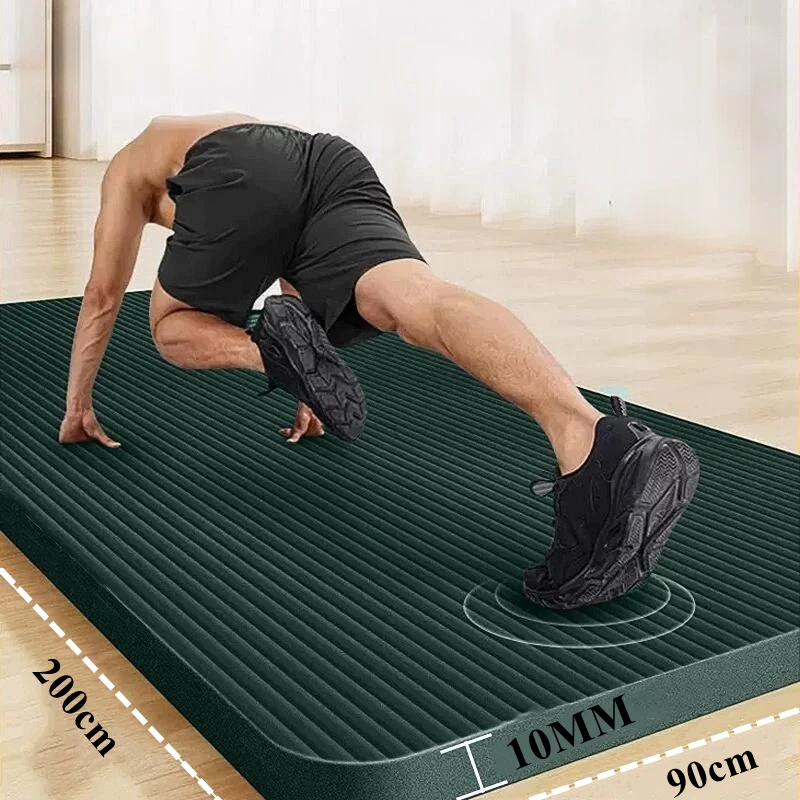
The Science-Backed Workout That Burns Fat While You Sleep
Fat loss isn’t just about what you do in the gym — it’s about how your body recovers afterward. Emerging research shows that strategically designed workouts can enhance non-exercise activity thermogenesis (NEAT), optimize metabolic flexibility, and even influence fat oxidation during sleep. This evidence-based approach combines high-intensity intervals, resistance training, and lifestyle adjustments to create a fat-burning environment that persists long after your last rep.
Critically, this method doesn’t rely on overnight miracles. Instead, it leverages the body’s natural recovery processes to sustain fat loss without extreme calorie restriction or unsustainable exercise regimens. Below, we break down the science, the practical steps, and the common pitfalls to avoid.
How Exercise Influences Fat Loss Beyond the Workout
Exercise doesn’t just burn calories during the activity itself — it reshapes how your body processes energy for hours or even days afterward. Two key mechanisms drive this effect:
- EPOC (Excess Post-Exercise Oxygen Consumption): High-intensity workouts, particularly those incorporating resistance training, elevate oxygen consumption and metabolic rate post-exercise. This effect, often called the "afterburn," can persist for up to 24–48 hours, increasing total daily energy expenditure (Nutrients Journal, PMC).
- NEAT Amplification: Structured exercise can indirectly boost NEAT, the calories burned through daily movement like walking, fidgeting, or standing. Studies suggest that even modest increases in NEAT can account for hundreds of additional calories burned per day (Harvard T.H. Chan School of Public Health).
Together, these processes create a metabolic environment where fat oxidation is prioritized during rest, including sleep. However, the type of exercise matters. Not all workouts trigger these responses equally.
The Optimal Workout Blueprint for Nighttime Fat Burning
To maximize fat loss during sleep, focus on a hybrid approach that combines:
- Metabolic Resistance Training (MRT): Full-body compound movements performed at moderate-to-high intensity with short rest periods. This method preserves lean muscle mass while stimulating EPOC.
- Strategic Cardio: High-intensity interval training (HIIT) or sprint intervals to spike metabolic rate without excessive muscle breakdown.
- Recovery Optimization: Post-workout nutrition, hydration, and sleep hygiene to support fat oxidation during rest.
Sample Workout Routine (3–4x per week)
This protocol is designed for intermediate exercisers. Adjust weights and intensity based on individual fitness levels.
| Exercise | Sets x Reps | Rest | Notes |
|---|---|---|---|
| Kettlebell Swings | 4 x 15 | 60 sec | Explosive hip hinge; focus on form over speed. |
| Push Press | 3 x 10 | 90 sec | Use a weight that challenges the final 2 reps. |
| Bent-Over Rows | 3 x 12 | 60 sec | Maintain a neutral spine; avoid rounding the back. |
| Bodyweight Squats | 3 x 20 | 45 sec | Slow eccentric (3-second descent) to increase time under tension. |
| Battle Ropes (Alternating Waves) | 3 x 30 sec | 30 sec | Maximal effort; keep core engaged. |
Cardio Finisher (Optional): 5–10 minutes of incline treadmill walking (12–15% grade, 3 mph) or cycling (80–90 RPM, moderate resistance).
Key Principles:
- Intensity Over Duration: Prioritize effort level over workout length. A 30-minute MRT session can outperform a 60-minute steady-state session for EPOC.
- Full-Body Focus: Compound lifts recruit more muscle fibers, increasing metabolic demand.
- Progressive Overload: Gradually increase weight or reduce rest periods to keep challenging the body.
Why This Works: The Metabolic Aftermath
Within 30 minutes of completing this workout, several physiological shifts occur:
- Glycogen Replenishment: Carbohydrates are shuttled into muscle cells to restore glycogen, reducing the likelihood of excess glucose being stored as fat.
- Hormonal Optimization: Growth hormone and catecholamines (like adrenaline) rise, supporting fat mobilization from adipose tissue.
- Muscle Protein Synthesis: Amino acids from post-workout nutrition are directed toward repairing and building lean tissue, preserving metabolic rate during a calorie deficit.
These adaptations create a "metabolic ripple effect" that can last up to 48 hours, enhancing fat oxidation during sleep and sedentary periods.
Common Myths About Exercise and Fat Loss
Myth 1: "Lifting weights makes you bulky."
This misconception stems from a misunderstanding of hypertrophy. Building significant muscle mass requires a prolonged, structured resistance training program with a calorie surplus and specific rep ranges. For most people, strength training primarily enhances body composition by reducing fat while maintaining or slightly increasing lean mass. It does not inherently lead to a "bulky" appearance (Mayo Clinic Nutrition Guide).
Myth 2: "Cardio is the only way to burn fat."
While steady-state cardio can burn calories during the activity, it often fails to stimulate the metabolic responses that persist post-exercise. HIIT and resistance training, in contrast, create a greater EPOC effect and better preserve lean mass during fat loss.
Myth 3: "You must exercise for hours to see results."
Research shows that shorter, high-intensity workouts can be more effective for fat loss than longer, lower-intensity sessions. The key is consistency and strategic programming.
Troubleshooting: When Fat Loss Stalls
If progress plateaus despite following this protocol, consider these adjustments:
- Check Caloric Intake: Ensure you’re in a moderate deficit (typically 10–20% below maintenance). Over-restriction can hinder recovery and fat loss.
- Prioritize Sleep: Poor sleep disrupts hunger hormones (ghrelin and leptin) and increases cravings for high-calorie foods. Aim for 7–9 hours per night.
- Monitor Stress: Chronic stress elevates cortisol, which can promote fat storage (particularly visceral fat) and disrupt sleep quality. Incorporate stress-reducing practices like deep breathing or yoga.
- Adjust Workout Intensity: If EPOC effects diminish, increase workout intensity or try new exercises to challenge the body.
7-Day Action Plan to Kickstart Fat Burning
This plan balances structured workouts with lifestyle adjustments to optimize fat loss during sleep.
| Day | Workout | Lifestyle Focus |
|---|---|---|
| Monday | Metabolic Resistance Training (as outlined above) | Hydrate: 3L water; prioritize protein (1.6–2.2g/kg body weight) |
| Tuesday | 20-minute HIIT (e.g., 30 sec sprint / 90 sec walk x 10 rounds) | Walk 8,000–10,000 steps; limit alcohol |
| Wednesday | Active Recovery: Yoga or mobility work | Focus on sleep hygiene (cool, dark room; consistent bedtime) |
| Thursday | Metabolic Resistance Training (variation: swap kettlebell swings for dumbbell thrusters) | Post-workout: 20g whey protein + 30g carbs (e.g., banana) |
| Friday | 30-minute incline treadmill walk (12% grade, 3 mph) | Hydrate with electrolytes; reduce caffeine after 2 PM |
| Saturday | Full-Body Dumbbell Circuit (3 rounds: goblet squats, renegade rows, step-ups) | Prioritize protein at every meal; limit processed snacks |
| Sunday | Rest or Light Activity (e.g., leisurely walk) | Reflect on energy levels and recovery; adjust as needed |
FAQ: Your Top Questions Answered
Q: Can I do this workout if I’m a beginner?
A: Yes, but modify the intensity. Start with bodyweight exercises or lighter weights, and reduce sets/reps. Focus on form and gradual progression.
Q: How soon will I see results?
A: Visible changes in body composition typically take 4–6 weeks of consistent adherence. Metabolic benefits (like improved insulin sensitivity) may appear sooner.
Q: Do I need to eat less to lose fat faster?
A: Not necessarily. Severe calorie restriction can backfire by reducing metabolic rate and increasing cravings. A moderate deficit (300–500 kcal/day) is more sustainable.
Q: Is it safe to exercise late at night?
A: For most people, moderate-intensity exercise 1–2 hours before bed doesn’t disrupt sleep. However, high-intensity workouts within 1 hour of bedtime may interfere with sleep onset for some individuals.
Key Takeaways
- Fat loss isn’t just about exercise, it’s about how your body recovers. Workouts that combine resistance training and HIIT create a metabolic afterburn (EPOC) that enhances fat oxidation during sleep.
- NEAT and hormonal balance matter more than you think. Small increases in daily movement and stress management can significantly influence fat loss outcomes.
- Progressive overload and consistency beat extreme measures. Sustainable fat loss requires gradual adaptation, not overnight transformations.
- Sleep and nutrition are non-negotiable. Poor sleep and inadequate protein intake can undermine even the best workout plan.
By focusing on evidence-based strategies rather than trends, you can achieve lasting fat loss without sacrificing health or well-being. The goal isn’t to "burn fat while you sleep" in a literal sense, but to create the metabolic conditions where fat loss becomes a natural byproduct of smart, sustainable habits.
Recommended Health & Fitness Gear