Why Snacks Can Make or Break Your Weight-Loss Goals
Snacks occupy a paradoxical space in weight management: they can either stabilize energy and curb overeating or derail progress with empty calories and rapid hunger return. The key lies not in avoiding snacks entirely but in selecting those that align with metabolic satiety — the physiological signals that prolong fullness and reduce subsequent intake. Research highlights that foods rich in protein, fiber, and healthy fats blunt the hunger hormone ghrelin while enhancing the satiety hormone leptin, creating a biochemical environment that supports appetite control (Nutrients Journal, 2020).
Beyond hormones, snack composition influences postprandial glucose spikes and crashes, which can trigger cravings within hours. A 2021 review in Nutrients found that meals and snacks combining protein with fiber — such as Greek yogurt with berries or hummus with vegetables, delay gastric emptying and stabilize blood sugar more effectively than refined carbohydrates alone (Nutrients Journal, 2020). This metabolic stability is critical for weight loss, as erratic glucose patterns often lead to compensatory overeating later in the day.
How to Choose Snacks That Truly Satisfy
Not all high-protein or high-fiber snacks deliver equal satiety. The most filling options share three characteristics:
- Protein density: Aim for at least 10 grams of protein per snack to maximize postprandial thermogenesis and appetite suppression. Lean meats, eggs, and dairy products are efficient sources.
- Fiber content: Soluble fiber, found in legumes, oats, and vegetables, forms a viscous gel in the gut that slows digestion and prolongs fullness.
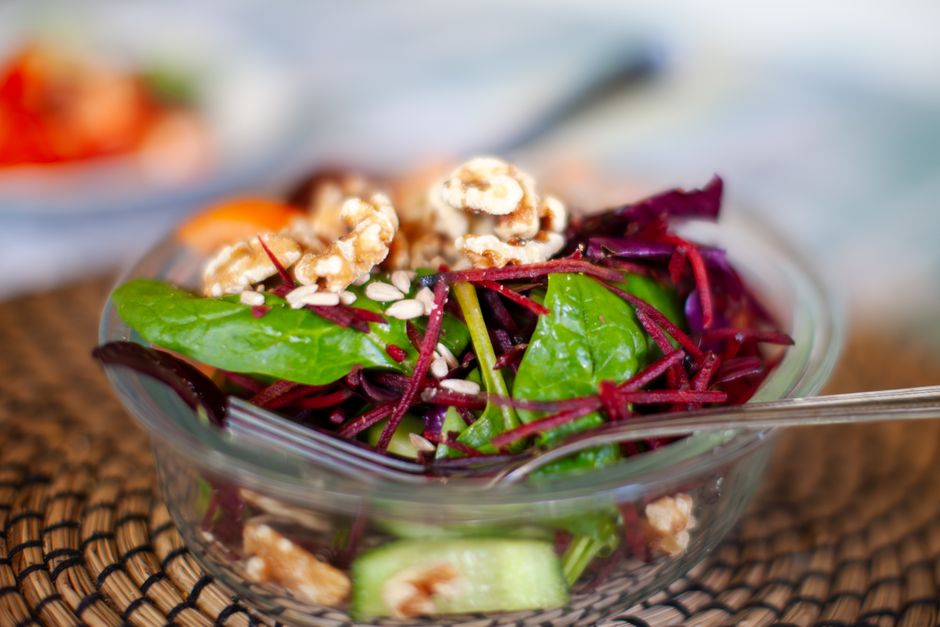
- Volume without excess calories: Water-rich foods like cucumbers, celery, and broth-based soups provide bulk that stretches the stomach, triggering stretch receptors linked to satiety.
Portion control remains essential, even with nutrient-dense snacks. A 2019 study in the American Journal of Clinical Nutrition demonstrated that while protein-rich snacks reduced evening calorie intake by an average of 100 calories, overconsumption of even healthy fats (e.g., nuts) could negate these benefits through caloric surplus (Harvard T.H. Chan School of Public Health, 2022).
12 Easy, Filling Snacks for Weight Loss
The following options prioritize satiety while minimizing preparation time. Each provides at least 10 grams of protein or 5 grams of fiber per serving, or both.
Protein-First Picks
- Hard-boiled eggs with everything bagel seasoning (2 eggs = 12g protein, 140 calories). The combination of protein and healthy fats in egg yolks supports sustained energy. Sprinkle with a pinch of seasoning for flavor without added sugar.
- Cottage cheese with pineapple or cucumber (½ cup cottage cheese = 14g protein, 90 calories). Cottage cheese’s casein protein digests slowly, preventing mid-afternoon crashes. Pair with low-sugar fruit for natural sweetness.
- Turkey and avocado roll-ups (3 slices turkey + ¼ avocado = 15g protein, 180 calories). The fat in avocado enhances the absorption of fat-soluble vitamins while adding creaminess to lean protein.
- Edamame with sea salt (1 cup shelled = 17g protein, 190 calories). Edamame’s fiber and plant-based protein make it a satiating plant alternative to animal proteins.
Fiber-Rich, Low-Calorie Options
- Roasted chickpeas with smoked paprika (¼ cup = 6g protein, 7g fiber, 120 calories). Air-frying or roasting enhances crunch without added oil. The fiber in chickpeas ferments in the colon, producing short-chain fatty acids that may reduce appetite.
- Apple slices with almond butter (1 medium apple + 1 tbsp almond butter = 4g protein, 4g fiber, 160 calories). The natural sugars in apples provide quick energy, while almond butter’s fat and protein slow absorption.
- Celery and peanut butter (2 celery stalks + 1 tbsp peanut butter = 4g protein, 3g fiber, 100 calories). This classic pairing offers volume for minimal calories, ideal for volume eaters.
- Chia pudding with berries (2 tbsp chia seeds + ½ cup almond milk + berries = 5g protein, 10g fiber, 150 calories). Chia seeds absorb 10–12 times their weight in water, creating a gel-like consistency that delays gastric emptying.
Savory and Satisfying
- Hummus with bell pepper strips (¼ cup hummus + 1 cup bell peppers = 5g protein, 6g fiber, 150 calories). Hummus’s chickpea base provides both protein and fiber, while bell peppers add volume and vitamin C.
- Tuna salad lettuce wraps (3 oz tuna + 1 tbsp Greek yogurt + lettuce = 20g protein, 120 calories). Greek yogurt replaces mayonnaise, adding protein without excess fat. Lettuce cups reduce calorie density while maintaining crunch.
- Roasted seaweed snacks with sesame seeds (1 pack = 3g protein, 2g fiber, 50 calories). Seaweed is rich in iodine and fiber, supporting thyroid function and gut motility, both linked to appetite regulation.
- Greek yogurt with hemp seeds and cinnamon (¾ cup plain Greek yogurt + 1 tbsp hemp seeds = 15g protein, 2g fiber, 130 calories). Hemp seeds add omega-3 fatty acids, which may modulate inflammation and appetite hormones.
Myth: All High-Protein Snacks Are Equal
Contrary to popular belief, not all protein sources deliver the same satiety benefits. A 2020 meta-analysis in Obesity Reviews found that animal-based proteins (e.g., whey, casein, eggs) suppress ghrelin more effectively than plant-based proteins (e.g., pea, soy) due to their higher essential amino acid content and faster absorption rates (Mayo Clinic, 2023). However, plant proteins can still support satiety when combined with fiber, as seen in legumes and whole soy products.
Another misconception is that protein powders are inherently superior for satiety. While whey protein isolate is rapidly absorbed and triggers a strong satiety response, casein protein’s slow digestion makes it ideal for overnight fasting periods. The optimal choice depends on timing and individual tolerance.
When to Snack, and When to Pause
Snacking is most effective when aligned with hunger cues rather than arbitrary schedules. The body’s circadian rhythm influences ghrelin secretion, with peak hunger typically occurring between 3 PM and 7 PM. A 2021 study in Nutrients observed that snacks consumed during this window were less likely to disrupt evening satiety compared to mid-morning snacks, which may trigger compensatory overeating later (Nutrients Journal, 2020).
For those practicing intermittent fasting, snacks may not be necessary if meals are balanced to include adequate protein and fiber. However, individuals with blood sugar dysregulation (e.g., prediabetes) often benefit from structured snacks to prevent hypoglycemic episodes that drive cravings.
FAQs
Can I snack at night without gaining weight?
Nighttime snacking is less about timing and more about composition. A 2022 study in Obesity found that snacks under 200 calories consisting of protein and fiber did not impair weight loss when total daily intake remained in deficit (Harvard T.H. Chan School of Public Health, 2022). The key is avoiding high-sugar or high-fat combinations (e.g., ice cream, chips) that trigger reward pathways and overeating.
Are store-bought protein bars a good snack option?
Many commercial protein bars prioritize marketing over nutrition, containing added sugars, sugar alcohols, or excessive calories. Opt for bars with at least 10g of protein, 3g of fiber, and fewer than 5g of added sugars. Homemade options (e.g., oats + protein powder + nut butter) offer better control over ingredients.
Do crunchy snacks like popcorn or nuts keep you full?
Crunchy textures can enhance satiety through sensory-specific satiety, the phenomenon where varied textures prolong eating pleasure. However, nuts and popcorn are calorie-dense; portioning is critical. A 2020 study in Appetite showed that participants who pre-portion snacks consumed 20% fewer calories than those eating from open containers (Mayo Clinic, 2023).
What’s the best snack for curbing sugar cravings?
Protein paired with healthy fats (e.g., Greek yogurt with almonds, cottage cheese with cinnamon) stabilizes blood sugar and reduces cravings by 30–40% within 30 minutes, according to a 2021 Nutrients study. Avoid artificial sweeteners, which may paradoxically increase sugar cravings by disrupting gut-brain signaling.
Key Takeaways
- Prioritize protein and fiber in snacks to maximize satiety hormones (leptin, ghrelin) and slow digestion.
- Volume matters: Water-rich, low-calorie foods stretch the stomach and trigger stretch receptors linked to fullness.
- Portion control is non-negotiable, even with healthy fats like nuts or avocado, which are calorie-dense.
- Timing aligns with hunger cues; late-afternoon snacks often support better appetite regulation than mid-morning ones.
- Animal proteins typically suppress appetite more effectively than plant proteins, but plant-based options can still work when combined with fiber.
Recommended Health & Fitness Gear