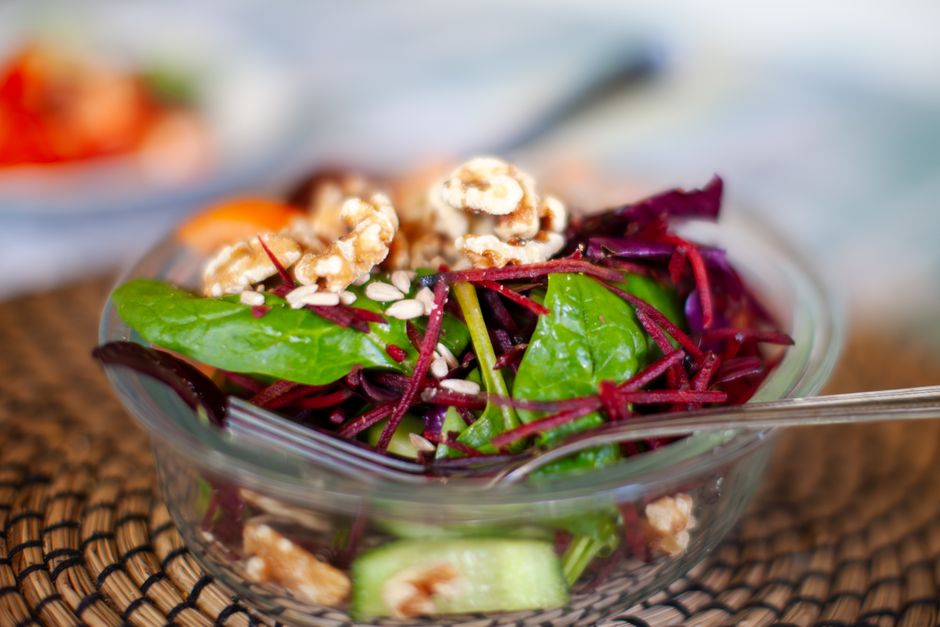
Why Smart Snacking Matters for Weight Loss — and How to Do It Right
For busy parents, snacks are often the difference between steady energy and a crash that derails the afternoon. The right choices can support stable blood sugar, curb hunger between meals, and prevent overeating later. But not all snacks are created equal. The most effective options balance protein, fiber, and healthy fats to promote satiety while keeping calories in check. Research from the Nutrients Journal highlights that protein-rich snacks, in particular, enhance post-meal fullness and reduce subsequent calorie intake by modulating appetite-regulating hormones like ghrelin and peptide YY.
This isn’t about rigid calorie counting or restrictive eating. Instead, it’s about selecting snacks that align with metabolic needs — especially when time is limited. The goal is to prioritize foods that:
- Stabilize blood sugar to avoid energy slumps and cravings.
- Provide sustained energy without spiking insulin.
- Fit seamlessly into a busy schedule without requiring prep time.
Below are the most reliable, research-backed snacks that meet these criteria, along with the science behind why they work.
High-Protein Snacks: The Satiety Powerhouses
Protein is the gold standard for satiety because it slows gastric emptying, increases thermogenesis (the energy cost of digestion), and suppresses ghrelin, the hormone that signals hunger. A Harvard Nutrition Source review notes that protein-rich meals and snacks can reduce overall calorie intake by up to 15% over the following hours, particularly when replacing refined carbohydrates.
For busy moms, portable protein sources are key. Consider:
- Greek yogurt (plain, unsweetened) with a sprinkle of nuts or seeds. A ¾-cup serving provides ~15g of protein and probiotics for gut health.
- Hard-boiled eggs paired with a few whole-grain crackers. Eggs deliver all nine essential amino acids and choline, which supports brain function during multitasking.
- Cottage cheese with berries or cucumber slices. One cup offers ~25g of protein and a low-glycemic carbohydrate source.
For those avoiding dairy, edamame or roasted chickpeas provide plant-based protein and fiber. A ½-cup serving of edamame has ~9g of protein and 4g of fiber, which extends fullness.
Fiber-Rich Snacks: The Steady-State Stabilizers
Fiber slows carbohydrate absorption, preventing rapid blood sugar spikes and crashes. The Mayo Clinic emphasizes that high-fiber diets are associated with lower body weight and reduced visceral fat, likely due to improved appetite control and gut microbiome health.
Practical fiber-rich options include:
- Apple slices with almond butter. The pectin in apples forms a gel-like substance in the gut, slowing digestion, while almond butter adds healthy fats and protein.
- Avocado on whole-grain toast. Half an avocado provides ~5g of fiber and monounsaturated fats, which promote satiety.
- Veggies and hummus. Carrots, bell peppers, or snap peas paired with 2–3 tablespoons of hummus offer ~3g of fiber and plant-based protein per serving.
For maximum impact, choose snacks with a fiber-to-calorie ratio of at least 1:10. For example, 1 cup of raspberries has 8g of fiber for just 64 calories.
Low-Calorie, High-Volume Snacks: The Volume Eaters’ Toolkit
When calories are a concern, volume eating, selecting foods with high water content and low energy density, can help fill the stomach without overconsuming. The Nutrients Journal study found that participants who prioritized low-calorie, high-volume snacks consumed 200–300 fewer calories per day without feeling deprived.
Try these strategies:
- Air-popped popcorn (3 cups, ~90 calories) with a light sprinkle of nutritional yeast for a cheesy flavor and extra protein.
- Cucumber or celery sticks with tuna or turkey slices. These vegetables are 95% water, providing bulk with minimal calories.
- Shrimp cocktail. Three ounces of shrimp with 2 tablespoons of cocktail sauce deliver ~80 calories and 18g of protein.
Pairing these snacks with a protein source (e.g., cottage cheese with pineapple) further enhances their satiating effects.
Myth: All Snacks Are Equal If They’re “Healthy”
One common misconception is that any snack labeled “organic,” “gluten-free,” or “plant-based” automatically supports weight loss. However, the Harvard Nutrition Source warns that some “healthy” snacks are calorie-dense and low in protein or fiber. For example:
- Trail mix can pack 200+ calories per quarter-cup serving if it’s heavy on nuts and dried fruit.
- Granola bars often contain added sugars and oils, making them closer to candy bars in terms of metabolic impact.
- Smoothies can exceed 400 calories if they include multiple fruits, juices, and protein powders.
The key is to evaluate snacks based on their macronutrient profile and satiety potential, not just their marketing claims. A snack’s effectiveness depends on its ability to regulate appetite hormones, not its label.
Quick Assembly: No-Prep Snacks for the Most Chaotic Days
When time is the biggest barrier, simplicity is critical. These snacks require zero prep and can be grabbed on the go:
- Pre-portioned cheese and whole-grain crackers. Look for crackers with at least 3g of fiber per serving.
- Single-serve tuna packets with whole-grain pita or rice cakes. Tuna is rich in protein and omega-3s, which may reduce inflammation linked to overeating.
- Pre-cut veggies and guacamole. The fiber in vegetables and the healthy fats in avocado work together to curb hunger.
- Roasted seaweed snacks with a handful of pumpkin seeds. Seaweed provides iodine for thyroid function, while seeds add crunch and protein.
For those who meal prep, batch-cook hard-boiled eggs or portion out nuts and seeds into small containers for grab-and-go convenience.
FAQ: Snacking for Weight Loss, Answered
Can snacking actually help with weight loss, or does it just add extra calories?
Snacking can support weight loss if it replaces larger, calorie-dense meals or prevents overeating later. The Mayo Clinic notes that structured snacking, particularly with protein and fiber, can reduce total daily calorie intake by preventing extreme hunger. The key is to plan snacks that align with energy needs rather than eating impulsively.
What’s the best snack for curbing late-night cravings?
Protein-rich snacks are most effective for late-night cravings because they promote satiety and reduce the likelihood of mindless eating. A small serving of cottage cheese, Greek yogurt, or a handful of almonds can satisfy hunger without disrupting sleep. Avoid high-sugar options, as they may lead to energy crashes and further cravings.
Are store-bought protein bars a good option?
Not all protein bars are created equal. Many contain added sugars, artificial sweeteners, or excessive calories. Opt for bars with at least 10g of protein, 3g of fiber, and fewer than 5g of added sugars per serving. Look for ingredients like whey protein isolate, nuts, and oats, and avoid those with hydrogenated oils or sugar alcohols that may cause digestive discomfort.
How do I avoid mindless snacking when I’m stressed or bored?
Mindless snacking often stems from habit or emotional triggers rather than hunger. Strategies include:
- Delaying the snack by 10 minutes to assess whether hunger is physical or emotional.
- Choosing snacks with texture contrast (e.g., crunchy apples with creamy peanut butter) to satisfy sensory cravings without excess calories.
- Drinking water or herbal tea first, as thirst is often mistaken for hunger.
Key Takeaways: The Science of Smart Snacking
- Prioritize protein and fiber to enhance satiety and regulate appetite hormones like ghrelin and peptide YY.
- Choose low-calorie, high-volume foods to fill the stomach without overconsuming calories.
- Avoid “healthy” snacks that are calorie-dense (e.g., trail mix, granola bars) if they lack protein or fiber.
- Plan ahead for busy days with pre-portioned, no-prep options like cheese, nuts, or pre-cut veggies.\li>
- Address emotional eating by delaying snacks and opting for nutrient-dense, textured foods.
Recommended Health & Fitness Gear