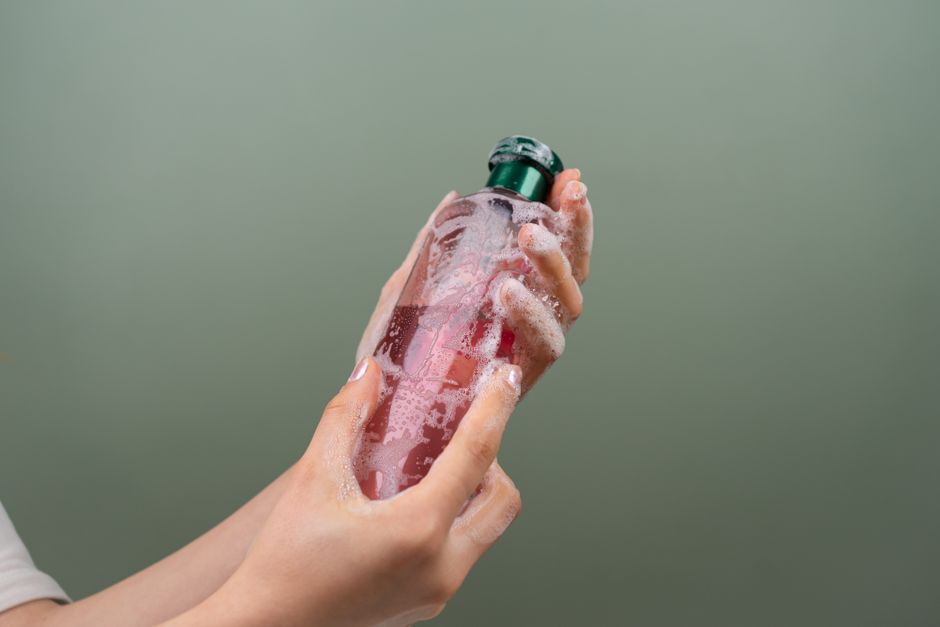
Double Cleansing for Acne-Prone Oily Skin: A Science-Backed Routine
Acne-prone, oily skin demands a skincare routine that balances thorough cleansing with barrier protection. Double cleansing — a two-step process combining an oil-based cleanser with a water-based one — has gained recognition for its ability to remove sunscreen, makeup, excess sebum, and environmental pollutants without stripping the skin. For those with acne-prone skin, this method can reduce clogged pores and inflammatory breakouts when executed correctly. Below is a research-backed guide to implementing double cleansing effectively.
Why Double Cleansing Works for Oily, Acne-Prone Skin
Oily skin produces sebum at a higher rate, which can mix with dead skin cells, bacteria, and environmental debris to form comedones (clogged pores). Traditional cleansers alone often fail to dissolve oil-soluble impurities, leaving residue that contributes to acne. Double cleansing addresses this by first using an oil-based cleanser to dissolve sebum and sunscreen, followed by a water-based cleanser to remove sweat, dirt, and water-soluble impurities.
Research supports the efficacy of this approach. A study in the Journal of Clinical and Aesthetic Dermatology highlights that oil-based cleansers can effectively remove sebum and makeup without disrupting the skin barrier, while salicylic acid-based cleansers in the second step help exfoliate and unclog pores. This dual-action method is particularly beneficial for acne-prone skin, as it targets both the surface and deeper layers of the epidermis.
The Science of Oil and Water-Based Cleansers
Oil cleansers work on the principle of "like dissolves like." They contain lipids that bind to sebum, makeup, and pollutants, lifting them from the skin’s surface. Ingredients like jojoba oil, squalane, and caprylic/capric triglyceride are commonly used for their non-comedogenic properties and ability to mimic the skin’s natural sebum. For acne-prone skin, lightweight oils such as heptyl undecylenate or sunflower seed oil are preferable, as they avoid clogging pores.
Water-based cleansers for the second step typically contain surfactants and active ingredients like salicylic acid, niacinamide, or benzoyl peroxide. Salicylic acid, a beta-hydroxy acid (BHA), penetrates pores to dissolve excess oil and dead skin cells, reducing inflammation and preventing new breakouts. The American Academy of Dermatology (AAD) recommends BHAs for acne-prone skin due to their ability to exfoliate within the pore.
Step-by-Step Double Cleansing Routine
Follow this structured routine morning and night to maintain clear, balanced skin:
Step 1: Oil Cleanser
- Apply to dry skin: Use 1 to 2 pumps of oil cleanser on dry skin. Massage gently in circular motions for 30 to 60 seconds to break down sebum and impurities.
- Focus on congested areas: Pay extra attention to the T-zone (forehead, nose, chin) and areas prone to breakouts.
- Rinse with lukewarm water: Use water that is neither too hot nor too cold to avoid stripping the skin or causing irritation.
Step 2: Water-Based Cleanser
- Choose the right active: For acne-prone skin, opt for a cleanser with salicylic acid (0.5% to 2%) or benzoyl peroxide (2.5% to 5%). Niacinamide-based cleansers can also help regulate sebum production.
- Massage and rinse: Apply the cleanser to damp skin, massage for 30 seconds, then rinse thoroughly. Avoid scrubbing, as this can irritate active breakouts.
- Pat dry: Use a clean towel to gently pat the skin dry. Avoid rubbing, which can cause micro-tears in the skin barrier.
Troubleshooting Common Issues
Even with a well-designed routine, challenges may arise. Below is a protocol to address them:
Issue 1: Residual Oil After Cleansing
- Possible cause: Insufficient massaging or rinsing in the oil cleanser step.
- Solution: Extend the massage time to 60 seconds and ensure all product is rinsed off with lukewarm water.
Issue 2: Dryness or Tightness
- Possible cause: Overuse of salicylic acid or benzoyl peroxide, or using a water-based cleanser that is too harsh.
- Solution: Reduce the frequency of the water-based cleanser to once daily (e.g., only at night) and switch to a hydrating, non-foaming cleanser. Follow with a lightweight, oil-free moisturizer.
Issue 3: Breakouts Worsen After Starting
- Possible cause: Purging due to increased cell turnover from salicylic acid, or irritation from over-cleansing.
- Solution:
- Allow 4 to 6 weeks for the skin to adjust. If irritation persists, reduce the frequency of the water-based cleanser or switch to a lower concentration of salicylic acid (e.g., 0.5%).
Myth Busting: Double Cleansing Causes More Acne
Some believe that double cleansing can clog pores or worsen acne due to the use of oils. However, the key lies in ingredient selection. Non-comedogenic oils like jojoba or sunflower seed oil do not clog pores, and the second step with a salicylic acid cleanser helps prevent breakouts by exfoliating within the pore. The Cleveland Clinic emphasizes that proper cleansing is essential for acne management, and double cleansing is a validated method when done correctly.
Another misconception is that oil cleansers are unnecessary for oily skin. In reality, oil cleansers help dissolve excess sebum without stripping the skin, which can paradoxically lead to increased oil production as the skin attempts to compensate.
7-Day Action Plan to Implement Double Cleansing
Use this structured plan to transition into double cleansing without overwhelming your skin:
| Day | Morning Routine | Night Routine |
|---|---|---|
| 1–2 | Water-based cleanser only | Oil cleanser + water-based cleanser |
| 3–4 | Water-based cleanser only | Oil cleanser + water-based cleanser (salicylic acid) |
| 5–7 | Water-based cleanser only | Oil cleanser + water-based cleanser (salicylic acid or niacinamide) |
Notes:
- If dryness occurs, apply a lightweight, oil-free moisturizer after cleansing.
- Avoid using benzoyl peroxide in the morning, as it can increase sun sensitivity.
- Always follow with a broad-spectrum sunscreen (SPF 30+) in the morning to protect against UV damage.
Key Takeaways
- Double cleansing removes both oil-soluble and water-soluble impurities, reducing the risk of clogged pores and breakouts.
- Oil cleansers should be non-comedogenic and lightweight, while the second step should include active ingredients like salicylic acid for acne-prone skin.
- Start gradually to allow your skin to adjust, and monitor for irritation or purging.
- Barrier care is essential, follow cleansing with a hydrating moisturizer and sunscreen to maintain skin health.
FAQs
Can I use double cleansing if I have sensitive acne-prone skin?
Yes, but choose gentle formulations. Opt for an oil cleanser with minimal ingredients (e.g., squalane or jojoba oil) and a water-based cleanser with a low concentration of salicylic acid (0.5%). Patch test new products before full application.
Is double cleansing necessary if I don’t wear makeup?
It can still be beneficial. Even without makeup, environmental pollutants, excess sebum, and sunscreen residue can accumulate on the skin. Double cleansing ensures thorough removal of these impurities.
How often should I double cleanse?
Double cleansing is most critical at night to remove the day’s buildup. In the morning, a single water-based cleanser is often sufficient unless you have oily skin that produces excess sebum overnight.
Can double cleansing replace exfoliation?
No. Double cleansing removes surface impurities, but exfoliation (e.g., with AHAs or BHAs) is still necessary 2 to 3 times per week to promote cell turnover and prevent clogged pores. Use exfoliants on separate days from double cleansing to avoid over-exfoliation.
Recommended Health & Fitness Gear