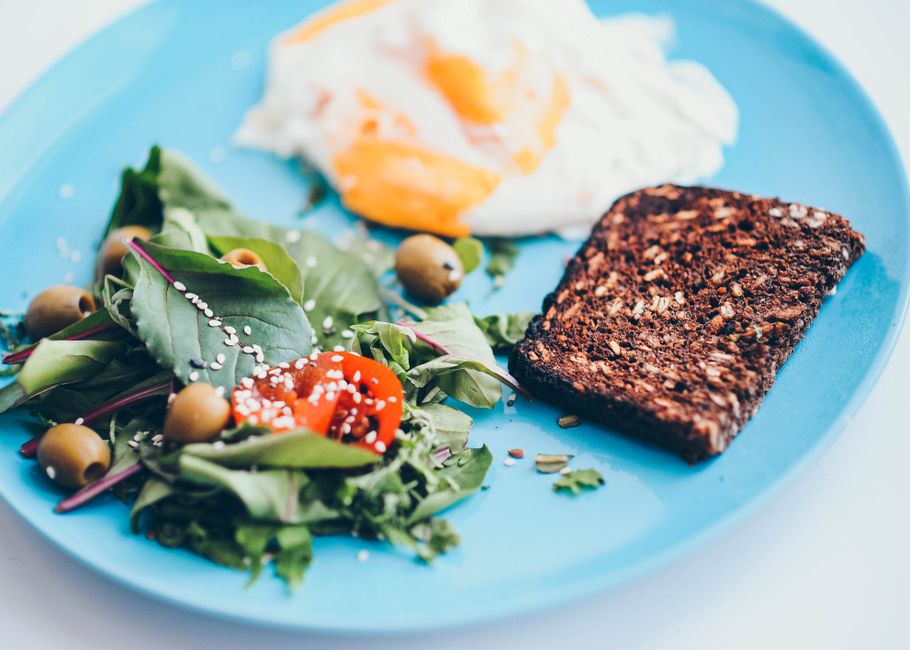
Why Your Blood Sugar Is Stuck on a Rollercoaster (And How to Fix It)
Blood sugar fluctuations aren’t just an inconvenience — they’re a metabolic signal that your body’s energy regulation system is struggling. When glucose levels swing too high after meals or crash too low between them, the consequences extend beyond momentary fatigue. Over time, these imbalances can erode insulin sensitivity, fuel cravings, and even increase the risk of type 2 diabetes and cardiovascular disease. The good news? The mechanisms behind these spikes and dips are well understood, and the solutions are practical, evidence-based, and accessible.
This guide breaks down the science of glucose dysregulation, identifies the most common culprits behind unstable blood sugar, and provides a step-by-step plan to restore balance — without restrictive diets or unsustainable habits.
The Biology Behind the Ride: How Blood Sugar Works
After you eat, carbohydrates are broken down into glucose, which enters the bloodstream. In response, the pancreas releases insulin, a hormone that helps cells absorb glucose for energy or storage. When this system functions smoothly, blood sugar rises modestly after a meal and returns to baseline within a few hours. But when insulin sensitivity declines, often due to chronic overeating, inactivity, or metabolic stress, the body’s ability to regulate glucose weakens. Cells become less responsive to insulin, leading to higher blood sugar levels and, eventually, a compensatory overproduction of insulin. This cycle can create a feedback loop where blood sugar remains elevated for longer periods, even between meals.
Several factors influence this process. Dietary choices play a central role: refined carbohydrates and sugars are digested rapidly, causing sharp glucose spikes, while fiber-rich foods slow digestion and blunt the rise in blood sugar. Sleep deprivation, stress, and even certain medications can also impair insulin function. Understanding these triggers is the first step toward stabilization.
Why Your Blood Sugar Isn’t Stabilizing (Common Culprits)
Blood sugar instability rarely stems from a single cause. Instead, it’s the result of overlapping lifestyle and dietary habits that disrupt glucose regulation over time. Below are the most frequent offenders, backed by clinical research:
- High-glycemic meals: Foods like white bread, sugary cereals, and pastries are rapidly digested, flooding the bloodstream with glucose. A Harvard T.H. Chan School of Public Health analysis highlights that meals rich in refined carbs can elevate blood sugar by 30% or more within 30 minutes of consumption.
- Skipping meals or erratic eating patterns: Going long periods without food forces the body to rely on glycogen stores, which can lead to reactive hypoglycemia, low blood sugar followed by intense cravings and overeating later. A study in Nutrients found that prolonged fasting or irregular meal timing disrupts insulin sensitivity and increases post-meal glucose excursions (PMC).
- Chronic stress and cortisol: Stress hormones like cortisol stimulate glucose production in the liver, even when it’s not needed. Over time, elevated cortisol can reduce insulin sensitivity, particularly in abdominal fat cells. While stress itself doesn’t directly create fat, it can drive appetite and sleep disruption, both of which indirectly worsen glucose control.
- Inadequate fiber and protein: Fiber slows carbohydrate absorption, while protein and healthy fats help stabilize blood sugar by promoting satiety and reducing the glycemic impact of meals. The Mayo Clinic notes that meals lacking these nutrients are more likely to trigger spikes and crashes.
- Sedentary behavior: Physical inactivity reduces the number of glucose transporters in muscle cells, limiting their ability to absorb sugar from the bloodstream. Even short bursts of movement, like a 10-minute walk after a meal, can significantly improve glucose uptake.
Myth: "Eating Small, Frequent Meals Prevents Blood Sugar Spikes"
This long-held belief is oversimplified. While grazing can help some individuals avoid extreme lows, it’s not a universal solution, and for others, it may backfire. Research suggests that the frequency of meals has a smaller impact on blood sugar than the composition of those meals. A 2020 review in Nutrients found that the total carbohydrate load per meal, rather than meal timing, is the primary driver of glucose spikes. For people with insulin resistance, larger, well-balanced meals may actually improve satiety and reduce overall insulin demand compared to constant snacking.
The key is consistency in meal timing and macronutrient balance, not necessarily frequency. Some individuals thrive on three structured meals, while others benefit from two larger meals with a protein-rich snack. The goal is to avoid prolonged fasting or grazing that leads to energy crashes.
How to Fix It: A 7-Day Stabilization Plan
This protocol is designed to reset glucose regulation by addressing the root causes of instability. It combines dietary adjustments, movement, and behavioral strategies for sustainable results.
Daily Principles
- Prioritize protein and fiber at every meal: Aim for at least 20–30 grams of protein per meal and 25–30 grams of fiber daily. Sources like eggs, Greek yogurt, lentils, and leafy greens slow digestion and blunt glucose responses.
- Pair carbs with fat or protein: Instead of eating a banana alone, pair it with almond butter. This reduces the glycemic impact by 20–30%, according to Harvard’s Healthy Eating Plate.
- Move after meals: A 10–15 minute walk within 30 minutes of eating improves glucose uptake by up to 20%, research shows. Even light activity like standing or stretching helps.
- Hydrate strategically: Dehydration can mimic hunger and impair glucose metabolism. Aim for half your body weight (in pounds) in ounces of water daily, adjusting for activity and climate.
- Limit liquid sugars: Beverages like soda, fruit juice, and sweetened coffee drinks cause rapid glucose spikes without satiety. Opt for water, herbal tea, or black coffee instead.
7-Day Action Plan
| Day | Focus | Sample Meal Plan | Movement |
|---|---|---|---|
| Day 1 | Eliminate refined carbs | Breakfast: Greek yogurt with chia seeds and berries Lunch: Grilled chicken salad with olive oil Dinner: Baked salmon with roasted broccoli and quinoa |
10-minute post-meal walk |
| Day 2 | Add fiber to every meal | Breakfast: Oatmeal with flaxseeds and walnuts Lunch: Lentil soup with a side of spinach Dinner: Turkey chili with black beans and avocado |
Yoga or light stretching |
| Day 3 | Prioritize protein at breakfast | Breakfast: Scrambled eggs with sautéed kale Lunch: Tuna salad with mixed greens Dinner: Grilled shrimp with zucchini noodles |
20-minute brisk walk |
| Day 4 | Hydrate and reduce liquid sugars | Breakfast: Smoothie with spinach, protein powder, and almond milk Lunch: Grilled chicken wrap with whole-grain tortilla Dinner: Baked cod with roasted Brussels sprouts |
10-minute walk after each meal |
| Day 5 | Incorporate strength training | Breakfast: Cottage cheese with sliced pear Lunch: Quinoa bowl with roasted vegetables and tahini Dinner: Lean beef stir-fry with bell peppers and brown rice |
30-minute full-body strength session |
| Day 6 | Practice mindful eating | Breakfast: Avocado toast on whole-grain bread with a poached egg Lunch: Grilled salmon with a side salad Dinner: Stuffed bell peppers with ground turkey and cauliflower rice |
Post-meal walk and deep breathing |
| Day 7 | Review and adjust | Breakfast: Chia pudding with almonds and berries Lunch: Grilled chicken Caesar salad (no croutons) Dinner: Baked chicken thighs with roasted sweet potatoes and green beans |
Light activity of choice (swimming, cycling, etc.) |
Beyond the Plate: Lifestyle Adjustments That Matter
Diet is only part of the equation. Sleep, stress management, and physical activity all play critical roles in glucose regulation.
- Sleep: Poor sleep disrupts insulin sensitivity and increases appetite the next day. Aim for 7–9 hours of quality sleep per night, and maintain a consistent bedtime.
- Stress: Chronic stress elevates cortisol, which can impair glucose uptake. Techniques like deep breathing, meditation, or even short walks can mitigate this effect.
- Strength training: Building lean muscle mass improves the body’s ability to store and utilize glucose. Resistance training 2–3 times per week enhances insulin sensitivity more effectively than cardio alone.
- Monitoring: Tracking symptoms (fatigue, cravings, energy crashes) and, if needed, using a continuous glucose monitor (CGM) can provide personalized insights. However, CGMs are not necessary for everyone and should be used under medical guidance.
When to Seek Professional Guidance
While lifestyle changes can resolve many cases of blood sugar instability, some individuals may need medical intervention. Consult a healthcare provider if you experience:
- Persistent fasting blood sugar levels above 100 mg/dL.
- Frequent episodes of hypoglycemia (shakiness, sweating, confusion) between meals.
- Unexplained weight changes or extreme fatigue despite dietary adjustments.
A doctor can assess insulin resistance, thyroid function, or other underlying conditions that may require targeted treatment.
Key Takeaways
- Blood sugar instability is driven by dietary patterns, activity levels, and metabolic stress, not just genetics.
- Refined carbohydrates, erratic eating, and sedentary behavior are primary contributors to glucose spikes and crashes.
- Balancing meals with protein, fiber, and healthy fats stabilizes glucose more effectively than focusing on meal frequency alone.\li>
- Small, consistent habits, like post-meal movement and adequate sleep, have a measurable impact on glucose regulation.
- Strength training and stress management are underrated tools for improving insulin sensitivity.
FAQ
Does fruit cause blood sugar spikes?
Fruit contains natural sugars, but its fiber content slows digestion and minimizes spikes. Berries, apples, and pears are lower-glycemic options. Pairing fruit with protein or fat (e.g., apple slices with almond butter) further reduces the glycemic impact.
Can I drink alcohol if my blood sugar is unstable?
Alcohol can cause both high and low blood sugar, depending on the type and amount consumed. Spirits like vodka or whiskey have minimal carbs, but mixers (e.g., soda, juice) can spike glucose. Moderation and pairing with food are key. Avoid sugary cocktails and sweet wines.
How long does it take to see improvements in blood sugar stability?
Some individuals notice changes within days, particularly in energy levels and cravings. However, measurable improvements in insulin sensitivity typically take 2–4 weeks of consistent dietary and lifestyle adjustments.
Are artificial sweeteners safe for blood sugar control?
Most artificial sweeteners (e.g., stevia, erythritol) do not raise blood sugar and can be used in moderation. However, some people report increased cravings or digestive issues with certain sweeteners. Whole-food alternatives like cinnamon or vanilla extract can add sweetness without metabolic drawbacks.
Recommended Health & Fitness Gear