Why a Weekend Diet Recovery Plan Matters
Weekend overeating is a common pattern that disrupts progress for many people managing weight or metabolic health. Instead of viewing these days as failures, a structured recovery plan can restore balance without derailing long-term goals. Research shows that consistent habits, not perfection, drive sustainable outcomes in nutrition and weight management (Nutrients Journal, 2020).
Recovery isn’t about punishment — it’s about resetting metabolic flexibility and appetite regulation. The body adapts to energy surpluses by increasing water retention and altering hunger signals, which can create a temporary cycle of overeating if unaddressed. A proactive approach prioritizes nutrient density, hydration, and gentle movement to restore equilibrium.
How Weekend Overeating Affects Your Body
Overeating — especially of highly palatable, energy-dense foods, triggers a cascade of physiological responses. Blood sugar fluctuations prompt insulin release, which can lead to increased fat storage when calories exceed expenditure. The gut microbiome may also shift temporarily, influencing cravings and satiety (Harvard T.H. Chan School of Public Health).
Water retention is another immediate effect, often mistaken for fat gain. Sodium and carbohydrate intake elevate extracellular fluid, creating a bloated sensation that resolves within 24–48 hours. Stress hormones like cortisol rise in response to disrupted sleep or emotional eating, but their impact on fat storage depends on overall energy balance, not isolated events.
Myth: Weekend Binges Ruin Your Progress
One persistent myth is that a single overeating episode derails metabolic rate or fat loss permanently. In reality, the body’s adaptive responses are temporary and reversible. A 2020 review in Nutrients found that short-term energy surpluses do not significantly alter resting metabolic rate unless they become chronic (Nutrients Journal, 2020).
Another misconception is that guilt accelerates recovery. While self-compassion improves adherence to healthy habits, excessive guilt can disrupt sleep and increase cortisol, indirectly prolonging water retention and cravings. The focus should shift from guilt to correction, restoring balance through practical, evidence-based steps.
Your 3-Day Weekend Diet Recovery Plan
This plan is designed to stabilize blood sugar, replenish micronutrients, and reduce water retention without extreme restriction. Adjust portions based on body size, activity level, and hunger cues.
Day 1: Rehydrate and Restore
- Hydration: Drink 2–3 liters of water with electrolytes (e.g., ½ tsp salt per liter or electrolyte tablets). Aim for pale yellow urine as a hydration guide.
- Breakfast: 2 eggs + 1 cup sautéed spinach + ½ avocado. Include 1 tbsp olive oil for satiety.
- Lunch: 4 oz grilled salmon + 1 cup quinoa + roasted Brussels sprouts. Prioritize protein (20–30g per meal) to curb cravings.
- Dinner: 4 oz lean turkey + 1 cup mashed cauliflower + steamed green beans. Add 1 tsp turmeric for anti-inflammatory support.
- Snacks (if needed): 1 small apple + 10 almonds; or ½ cup cottage cheese + cinnamon.
- Movement: 20-minute walk after meals to improve insulin sensitivity.
Day 2: Fiber and Protein Focus
- Hydration: Continue electrolytes; add herbal tea (e.g., dandelion root) to support digestion.
- Breakfast: Greek yogurt (unsweetened) + ½ cup berries + 1 tbsp chia seeds. Choose full-fat if satiety is a concern.
- Lunch: 4 oz grilled chicken + 2 cups mixed greens + ¼ cup chickpeas + lemon-tahini dressing.
- Dinner: 4 oz baked cod + 1 cup roasted sweet potato + asparagus. Sweet potatoes provide potassium to offset sodium retention.
- Snacks: 1 hard-boiled egg + celery sticks; or ¼ cup hummus + cucumber slices.
- Movement: 30-minute yoga or light resistance training to preserve lean mass.
Day 3: Gentle Reset
- Hydration: Water with lemon or cucumber slices; aim for 2.5 liters.
- Breakfast: Omelet with mushrooms, bell peppers, and 1 oz feta. Pair with 1 slice whole-grain toast.
- Lunch: 4 oz lean beef + 1 cup brown rice + sautéed kale. Iron-rich foods help replenish depleted stores from weekend stress.
- Dinner: 4 oz shrimp + zucchini noodles + pesto. Low-calorie volume foods aid digestion.
- Snacks: 1 small pear + 1 tbsp almond butter; or ½ cup edamame.
- Movement: 15-minute stretch or leisurely walk to promote lymphatic drainage.
Troubleshooting Common Recovery Challenges
If cravings persist beyond Day 3, increase protein to 30–40g per meal and add 1–2 cups of non-starchy vegetables (e.g., broccoli, zucchini) to meals. For water retention that feels excessive, reduce sodium intake and prioritize potassium-rich foods like bananas, spinach, or white beans.
Sleep disruption from overeating can be mitigated by a consistent bedtime routine and magnesium-rich foods (e.g., pumpkin seeds, dark chocolate). If stress is driving cravings, brief mindfulness practices (5–10 minutes) may help regulate appetite hormones.
Long-Term Strategies to Prevent Weekend Overeating
Prevention starts with structure, not willpower. Plan meals for Saturday and Sunday to reduce impulsive choices, and include at least one protein-rich snack between activities. Social settings often involve alcohol, which lowers inhibitions and increases calorie intake; alternate alcoholic drinks with water and choose clear spirits over sugary cocktails.
Mindful eating practices, such as chewing slowly and pausing between bites, can improve satiety cues. Additionally, a regular sleep schedule (7–9 hours) supports appetite regulation by stabilizing ghrelin and leptin levels (Mayo Clinic, 2023).
Key Takeaways
- Weekend overeating triggers temporary metabolic shifts (e.g., water retention, blood sugar fluctuations) that resolve within 48 hours with proper recovery.
- Hydration, protein, and fiber are the cornerstones of a recovery plan, not extreme restriction or guilt.
- Prevention relies on meal planning, mindful eating, and consistent sleep, not rigid rules.
- Progress is measured over weeks, not days; a single overeating episode does not negate long-term efforts.
Frequently Asked Questions
How long does it take to recover from a weekend of overeating?
Most people feel physically recovered within 48 hours if they prioritize hydration, protein, and gentle movement. Water retention may linger for up to 72 hours.
Should I skip meals the day after overeating?
Skipping meals can backfire by increasing cravings and slowing metabolism. Instead, focus on balanced, protein-rich meals to stabilize blood sugar.
Does exercise help or hurt recovery?
Gentle movement (e.g., walking, yoga) aids digestion and insulin sensitivity. Intense workouts may increase hunger and should be reserved for when energy levels feel stable.
How can I reduce guilt after overeating?
Guilt often stems from rigid rules. Shift focus to practical recovery steps (e.g., hydration, sleep) rather than self-criticism. Self-compassion improves adherence to healthy habits.
What’s the best way to prevent weekend overeating?
Plan meals in advance, include protein-rich snacks, and alternate alcoholic drinks with water. Social settings benefit from pre-arranged strategies (e.g., eating a balanced meal before events).
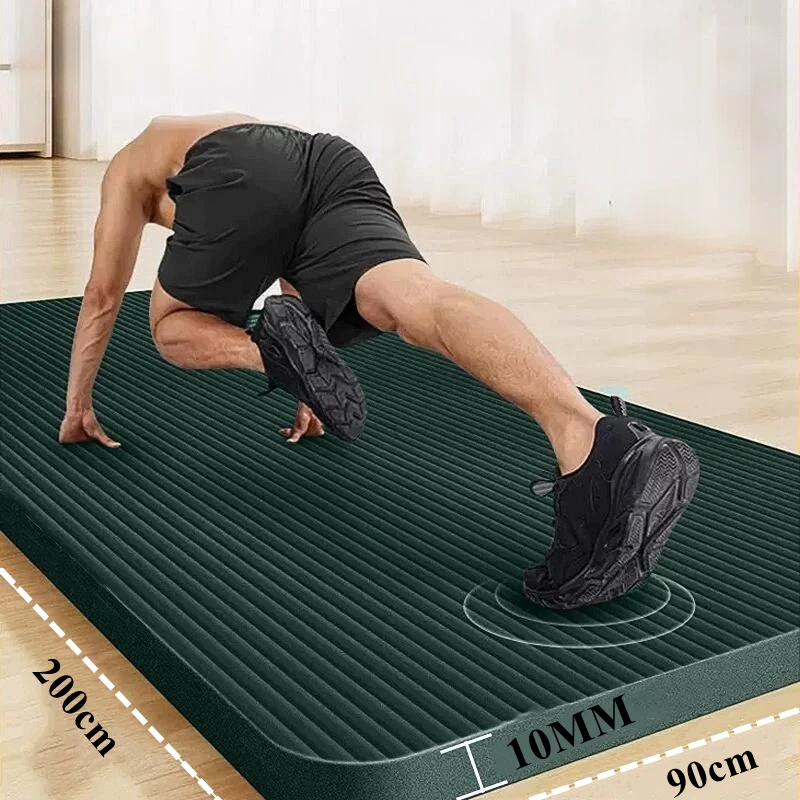
Recommended Health & Fitness Gear