Why Chronic Stress Expands Your Waistline — and How to Fight Back
Stress doesn’t just live in your mind — it reshapes your body. When the nervous system remains in a prolonged state of alert, a cascade of hormonal shifts can quietly expand abdominal fat stores, even when diet and exercise routines remain unchanged. This phenomenon, often called "stress belly," is less about fat creation and more about fat redistribution, water retention, and metabolic slowdowns driven by cortisol and related hormones. Understanding the science behind this process is the first step toward reclaiming control over your midsection.
How Stress Rewires Your Metabolism
When stress triggers the hypothalamic-pituitary-adrenal (HPA) axis, cortisol surges into the bloodstream. This hormone isn’t inherently harmful, it’s essential for mobilizing energy during acute challenges. However, when stress becomes chronic, cortisol’s effects diverge from their intended purpose. Instead of aiding recovery, it begins to prioritize energy storage in visceral fat deposits, the deep fat surrounding internal organs that poses the greatest metabolic risk.
Cortisol also amplifies cravings for hyper-palatable foods, especially those high in sugar and refined carbohydrates, by sensitizing the brain’s reward circuits. This isn’t a lack of willpower; it’s a physiological response. Research published in Nutrients highlights how chronic stress disrupts appetite-regulating hormones like ghrelin and leptin, creating a feedback loop where stress begets overeating, which then fuels further stress responses.
Sleep disruption, another hallmark of chronic stress, compounds the problem. Poor sleep lowers insulin sensitivity and increases cortisol the following day, creating a vicious cycle that favors fat storage around the abdomen. Even hydration status plays a role: mild dehydration can be misinterpreted as hunger, leading to unnecessary calorie intake.
The Hidden Mechanisms Behind Stress Belly
Visceral fat isn’t just an inert energy reserve, it’s metabolically active, secreting inflammatory cytokines that further impair metabolic function. Stress accelerates this process through several pathways:
- Increased Lipogenesis: Cortisol promotes the conversion of excess glucose into fatty acids, which are then stored in visceral fat depots.
- Reduced Lipolysis: Under chronic stress, the body becomes less efficient at breaking down stored fat for energy, especially during periods of low activity.
- Water Retention: Elevated cortisol can disrupt electrolyte balance, leading to temporary bloating that visually increases waist circumference.
- Muscle Breakdown: Prolonged stress elevates protein catabolism, reducing lean mass, which in turn lowers resting metabolic rate over time.
These mechanisms explain why individuals under chronic stress often notice fat accumulation around the midsection despite maintaining consistent calorie intake. The body isn’t storing fat where it’s most visible, it’s storing it where it’s most biologically advantageous for survival.
Myth: Cortisol Directly Creates Belly Fat
A common misconception is that cortisol alone causes fat gain. In reality, cortisol’s role is permissive, it creates conditions that favor fat storage when energy intake exceeds expenditure. Without a caloric surplus, cortisol cannot generate new fat cells or expand existing ones. What it can do is:
- Shift fat storage from subcutaneous (under the skin) to visceral (around organs) depots.
- Increase appetite and cravings, making it harder to maintain a calorie deficit.
- Impair insulin sensitivity, which promotes fat storage even at maintenance calories.
This distinction is critical: stress doesn’t create fat out of thin air. It reshapes where and how fat is stored, and it makes fat loss harder by altering hunger signals and energy partitioning.
Your 7-Day Reset: Breaking the Stress-Belly Cycle
This protocol targets the root causes of stress-related fat accumulation by addressing cortisol, sleep, hydration, and appetite regulation. Adjust portions based on body size and activity level, aim for a moderate calorie deficit if fat loss is the goal.
Daily Protocol
| Time | Action | Rationale |
|---|---|---|
| Morning (within 30 min of waking) | Hydrate with 500 mL water + 500 mg magnesium glycinate | Replenishes electrolytes lost overnight and supports cortisol regulation. |
| Breakfast | Protein-rich meal (e.g., eggs + avocado + whole-grain toast) | Stabilizes blood sugar and reduces ghrelin spikes. |
| Mid-Morning | 10-minute brisk walk + deep breathing (4-7-8 technique) | Lowers cortisol and improves insulin sensitivity. |
| Lunch | Lean protein + fiber-rich vegetables + healthy fats (e.g., grilled salmon + quinoa + spinach) | Slows digestion and prevents post-meal energy crashes. |
| Afternoon | 20-minute strength training session (bodyweight or weights) | Preserves lean mass and enhances glucose uptake in muscles. |
| Evening | No screens 1 hour before bed; chamomile tea or magnesium citrate | Promotes melatonin release and reduces nighttime cortisol. |
| Before Sleep | 5-minute meditation or gratitude journaling | Lowers sympathetic nervous system activity. |
Nutrition Guidelines
- Prioritize protein: 1.2–1.6 g/kg body weight to support satiety and muscle retention.
- Include fiber: 25–35 g/day from vegetables, legumes, and whole grains to blunt glucose spikes.
- Limit refined carbs: Replace white flour and sugar with complex carbohydrates to reduce inflammatory responses.
- Healthy fats: Omega-3s (fatty fish, walnuts) and monounsaturated fats (olive oil, avocado) to modulate cortisol.
Portion sizes should align with your energy needs. For example, a sedentary adult might aim for 1,600–1,800 kcal/day, while an active individual could require 2,000–2,400 kcal/day. Adjust based on progress and hunger cues.
Lifestyle Adjustments
- Sleep: Target 7–9 hours per night. Use blackout curtains and a cool room (18–20°C) to enhance sleep quality.
- Hydration: Drink 30–35 mL water/kg body weight daily. Add electrolytes if sweating heavily.
- Movement: Aim for 150+ minutes of moderate activity weekly, including 2–3 strength sessions.
- Stress Tools: Practice box breathing (4-4-4-4) or progressive muscle relaxation for 5 minutes, 2–3 times daily.
What to Expect and When to Adjust
Within the first 3–5 days, you may notice reduced bloating and more stable energy. By day 7, appetite regulation often improves, and waist measurements may decrease slightly due to water loss and reduced inflammation. If progress stalls, reassess:
- Are you sleeping 7+ hours consistently?
- Is your protein intake sufficient for satiety?
- Are you incorporating strength training at least twice weekly?
- Are stress-reduction practices being skipped on busy days?
Small, sustainable changes yield the most reliable results. Rapid fixes often backfire by increasing cortisol further.
FAQ: Stress Belly and Fat Loss
Does stress belly go away on its own?
Stress belly is reversible with consistent lifestyle changes. The key is reducing chronic stress, improving sleep, and maintaining a moderate calorie deficit. Visceral fat responds well to these interventions, often more readily than subcutaneous fat.
Can I spot-reduce stress belly with crunches?
No exercise can target visceral fat directly. Core work strengthens muscles but doesn’t influence fat distribution. Focus on full-body strength training and metabolic conditioning to improve overall fat loss.
How long does it take to reduce stress belly?
Visible changes typically appear within 4–6 weeks of consistent stress management and nutrition adjustments. However, metabolic improvements in insulin sensitivity and inflammation can occur within 2–3 weeks.
Does intermittent fasting help with stress belly?
Intermittent fasting may reduce cortisol in some individuals but can increase it in others, depending on stress tolerance and meal timing. If using fasting, keep the eating window consistent and avoid late-night meals.
Key Takeaways
- Cortisol doesn’t create fat, it redistributes it. Chronic stress shifts fat storage toward visceral depots and increases cravings.
- Sleep and hydration are metabolic levers. Poor sleep and mild dehydration amplify stress responses and fat storage.
- Strength training preserves muscle. Maintaining lean mass supports resting metabolism and glucose regulation during fat loss.
- Small, consistent changes work best. Rapid fixes often increase stress, undermining long-term progress.
- Progress isn’t linear. Focus on trends over weeks, not daily fluctuations in waist size or weight.
Stress belly isn’t a life sentence, it’s a signal. By addressing the underlying hormonal and behavioral drivers, you can reshape your metabolism and reclaim a healthier midsection.
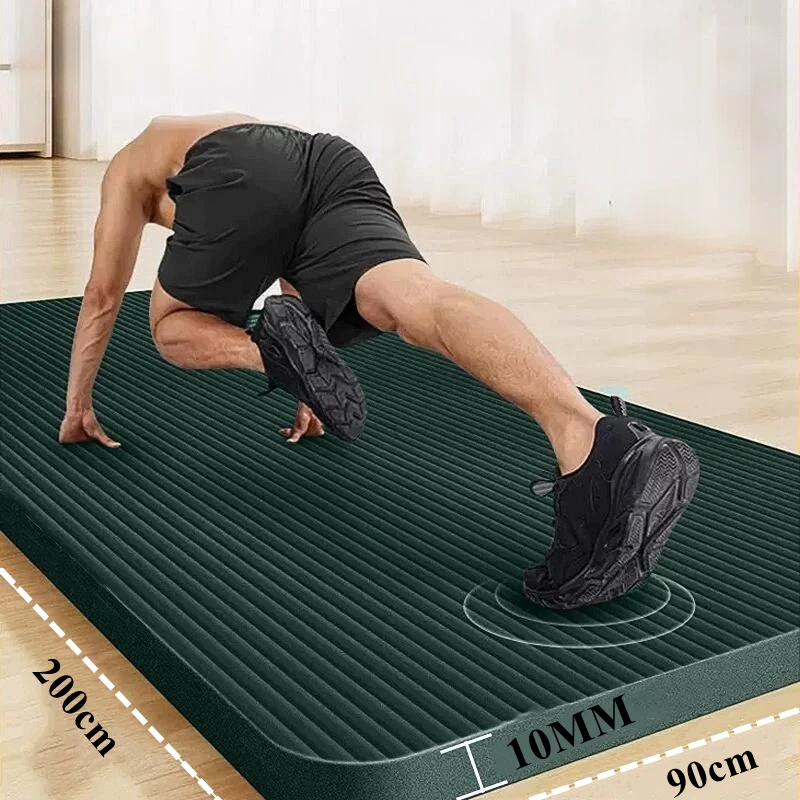
Recommended Health & Fitness Gear