Why Protein Timing Matters More Than You Think
Protein timing — the strategic distribution of protein intake across meals — plays a subtle but significant role in weight management, muscle recovery, and metabolic health. While total daily protein intake remains the primary driver of muscle protein synthesis (MPS), emerging research suggests that how that protein is spaced throughout the day can influence appetite, energy expenditure, and body composition. This isn’t about chasing the latest diet trend; it’s about aligning nutritional intake with the body’s natural rhythms of digestion, hormone signaling, and tissue repair.
Understanding these mechanisms requires looking beyond calorie counting and examining how protein interacts with key physiological processes. For instance, the body’s ability to build and repair muscle is not a continuous process but rather a series of peaks and valleys tied to protein availability. When protein is consumed in evenly distributed doses, it sustains MPS more effectively than when it’s concentrated in a single meal. This principle has implications not just for athletes but for anyone aiming to optimize body composition or manage weight.
The Science of Protein Timing: Muscle Recovery and Metabolic Efficiency
Muscle protein synthesis is the process by which the body repairs and builds new muscle tissue, a critical function for recovery, strength maintenance, and metabolic health. Research indicates that MPS is maximized when protein is consumed in doses of approximately 20–40 grams per meal, spaced roughly 3–5 hours apart. This pattern aligns with the body’s natural turnover of muscle proteins, which degrade continuously and are rebuilt in response to dietary protein.
A study published in the Nutrients Journal found that individuals who distributed their protein intake evenly across meals experienced greater MPS compared to those who consumed most of their protein in a single sitting. This effect was particularly pronounced in older adults, whose muscle protein synthetic response to protein ingestion tends to be blunted. The study underscores a key point: the body’s anabolic response to protein is not infinite. Beyond a certain threshold per meal, additional protein does not proportionally increase MPS, and excess amino acids are often oxidized for energy or stored as fat.
For weight loss, protein timing can also influence appetite regulation. Protein stimulates the release of satiety hormones like peptide YY and glucagon-like peptide-1 (GLP-1), which reduce hunger and delay gastric emptying. When protein is consumed in smaller, frequent doses, these hormonal signals are sustained throughout the day, potentially curbing overeating. Conversely, a protein-deficient breakfast or lunch may lead to compensatory snacking later, driven by stronger hunger cues and reduced dietary restraint.
Protein Distribution: The Goldilocks Principle
The concept of protein distribution is rooted in the idea that the body performs best when nutrient intake is balanced, not too little, not too much, but just right. The Harvard T.H. Chan School of Public Health recommends prioritizing whole-food protein sources and distributing intake across meals to support metabolic health. This approach aligns with the body’s circadian rhythms, which influence nutrient absorption, hormone secretion, and energy expenditure.
For example, consuming a protein-rich breakfast (e.g., eggs, Greek yogurt, or tofu) may help regulate appetite throughout the day by stabilizing blood sugar and reducing ghrelin, the hunger hormone. A midday meal with lean protein (e.g., grilled chicken, lentils, or fish) can sustain energy levels and support cognitive function, while an evening snack with casein, a slow-digesting protein, may provide overnight muscle protection and satiety. This distribution ensures that the body receives a steady supply of amino acids, minimizing periods of catabolism (muscle breakdown) that can occur during fasting or low-protein intervals.
Plant-based eaters should pay particular attention to protein timing, as many plant proteins are incomplete and may require strategic pairing to optimize amino acid profiles. For instance, combining legumes with grains (e.g., rice and beans) can create a complete protein, but spacing these sources across meals may better support MPS than consuming them all at once. Research suggests that plant-based proteins can be just as effective as animal proteins for MPS when total intake and distribution are optimized.
High-Protein Snacks: A Tool for Weight Management
High-protein snacks can serve as a practical tool for weight management, particularly for those prone to energy crashes or cravings. Snacks like cottage cheese, hard-boiled eggs, edamame, or protein shakes provide a rapid influx of amino acids, which can temporarily suppress appetite and reduce subsequent calorie intake. A Mayo Clinic Nutrition Guide emphasizes that protein-rich snacks may help maintain muscle mass during weight loss, a critical factor in preserving metabolic rate.
However, not all high-protein snacks are created equal. Processed protein bars or shakes often contain added sugars or artificial ingredients that can undermine their benefits. Whole-food options like Greek yogurt with nuts, roasted chickpeas, or turkey slices with avocado provide protein alongside fiber, healthy fats, and micronutrients, which enhance satiety and digestive health. The key is to choose snacks that align with overall dietary goals and avoid over-reliance on convenience products that may displace more nutrient-dense foods.
Myth Busting: Does Protein Timing Really Matter for Weight Loss?
A common misconception is that protein timing is only relevant for athletes or bodybuilders. In reality, the benefits extend to anyone seeking to manage weight or improve body composition. Some argue that total protein intake is the only factor that matters, and that timing is irrelevant as long as daily goals are met. While total intake is indeed the primary driver of MPS, research suggests that distribution can influence appetite, energy expenditure, and muscle retention during weight loss.
Another myth is that consuming protein before bed disrupts sleep or leads to fat storage. The evidence does not support this claim. Casein, a slow-digesting protein found in dairy, has been shown to provide a sustained release of amino acids overnight, supporting muscle protein synthesis and reducing overnight catabolism. A 2016 study in the British Journal of Nutrition found that casein supplementation before sleep improved muscle recovery and next-day performance in athletes, with no adverse effects on body composition.
Practical Strategies for Optimizing Protein Timing
Implementing protein timing doesn’t require drastic changes to your diet. Start by assessing your current protein distribution:
- Audit your meals: Track protein intake across breakfast, lunch, dinner, and snacks for a few days. Aim for roughly 20–40 grams of protein per meal, with smaller doses (10–20 grams) for snacks.
- Prioritize breakfast: Include a protein source in your first meal of the day to stabilize appetite and energy levels. Options include eggs, cottage cheese, or a protein smoothie.
- Space meals evenly: Avoid going longer than 4–5 hours without protein, as prolonged fasting can increase muscle breakdown. If you’re intermittent fasting, consider a protein-rich meal during your eating window to support MPS.
- Choose high-quality sources: Opt for lean meats, fish, eggs, dairy, legumes, tofu, or tempeh. Plant-based eaters should combine incomplete proteins (e.g., beans and rice) to ensure a complete amino acid profile.
- Use snacks strategically: Pair protein with fiber or healthy fats to enhance satiety. Examples include apple slices with almond butter, hummus with veggies, or a small handful of pumpkin seeds.
FAQ: Protein Timing for Weight Loss and Muscle Health
Q: Can protein timing help with fat loss even if total calories stay the same?
A: Yes, but indirectly. Protein timing may reduce appetite and increase energy expenditure by supporting muscle mass. Muscle tissue is metabolically active, so preserving or increasing it can slightly raise resting metabolic rate. Additionally, protein’s high thermic effect (the energy required to digest it) means that spreading protein intake across meals may modestly increase calorie burning compared to a single large dose.
Q: Is it better to consume protein before or after a workout?
A: Both timing and total intake matter. Consuming protein within a few hours of resistance training can enhance MPS, but the most critical factor is meeting daily protein needs. A 2018 meta-analysis in the Journal of the International Society of Sports Nutrition found that protein timing had a modest effect on muscle gain, but total protein intake was the primary driver of results.
Q: Do older adults need to pay more attention to protein timing?
A: Absolutely. Aging is associated with anabolic resistance, meaning the body becomes less efficient at building muscle in response to protein. Research suggests that older adults may benefit from higher protein doses (40 grams per meal) and more frequent intake to stimulate MPS. Distributing protein evenly across meals can help counteract age-related muscle loss.
Q: Can protein timing improve metabolic health beyond weight loss?
A: Emerging evidence suggests that protein timing may influence glucose metabolism and insulin sensitivity. A study in Diabetes Care found that consuming protein-rich breakfasts improved postprandial glucose control in individuals with type 2 diabetes. However, more research is needed to confirm these effects in the general population.
Key Takeaways
- Muscle protein synthesis peaks with 20–40 grams of protein per meal, spaced 3–5 hours apart. Exceeding this amount does not proportionally increase MPS.
- Evenly distributed protein intake supports appetite regulation by sustaining satiety hormones like GLP-1 and peptide YY.
- Plant-based proteins can be as effective as animal proteins for MPS when total intake and distribution are optimized.
- High-protein snacks can curb cravings and support muscle retention during weight loss, but whole-food options are preferable to processed alternatives.\li>
- Protein timing is not just for athletes, it benefits anyone aiming to manage weight, preserve muscle, or improve metabolic health.
Protein timing is a nuanced but powerful tool for optimizing health. By aligning protein intake with the body’s natural rhythms, you can enhance muscle recovery, regulate appetite, and support long-term metabolic health, without drastic dietary changes.
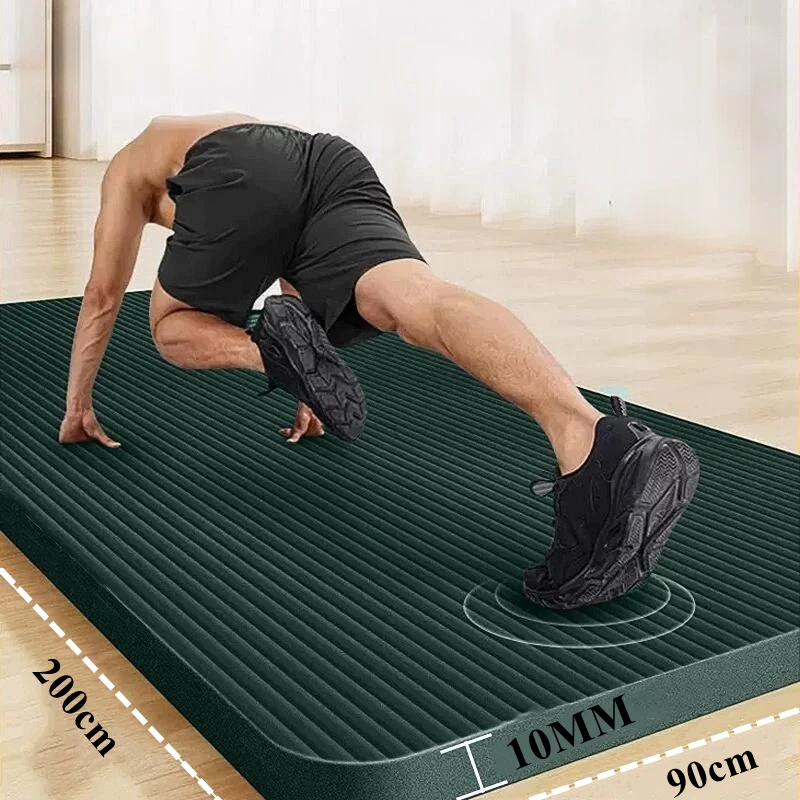
Recommended Health & Fitness Gear