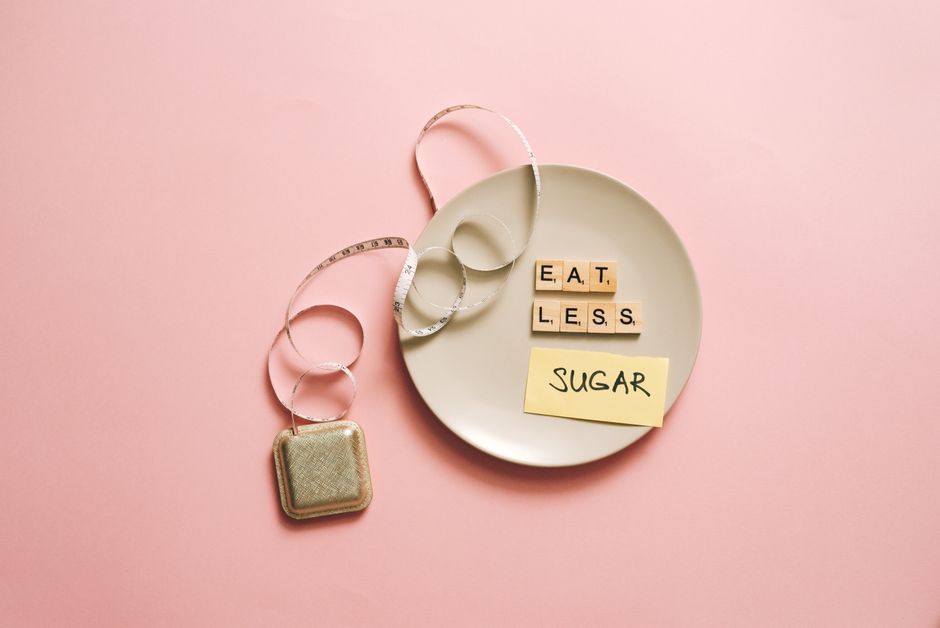
Why Portion Control Outperforms Calorie Counting for Sustainable Weight Loss
Portion control is often dismissed as a simplistic approach to weight management, yet research suggests it may be more effective — and sustainable — than meticulous calorie tracking. Unlike diets that demand constant vigilance over numbers, portion control leverages the body’s natural satiety cues and environmental cues to regulate intake without deprivation. A 2020 review in the Nutrients Journal (PMC) found that individuals who practiced mindful portioning reported greater satisfaction and fewer episodes of overeating compared to those who relied solely on calorie counting. This distinction matters because restrictive dieting often backfires by triggering rebound hunger or metabolic slowdowns, whereas portion control aligns with how the brain processes food in real-world settings.
At its core, portion control isn’t about willpower, it’s about redesigning the eating environment to work with the body’s biology. The brain’s satiety signals, governed by hormones like leptin and ghrelin, are influenced by meal volume, texture, and pacing, not just calorie density. By adjusting plate sizes, serving styles, and eating rhythms, individuals can reduce intake without feeling deprived. This method also sidesteps the pitfalls of calorie counting, which can become an obsessive or inaccurate practice for many.
How the Brain Tricks You Into Overeating (And How to Outsmart It)
Humans are hardwired to overestimate portion sizes due to a phenomenon called portion distortion. Studies from the Harvard T.H. Chan School of Public Health show that people consistently serve themselves larger portions when using larger plates, bowls, or utensils, even when the food is the same. This effect is amplified by marketing and restaurant norms, where “supersized” portions have become the default. The brain, wired to perceive larger portions as more valuable, struggles to override these visual cues, leading to unintentional overeating.
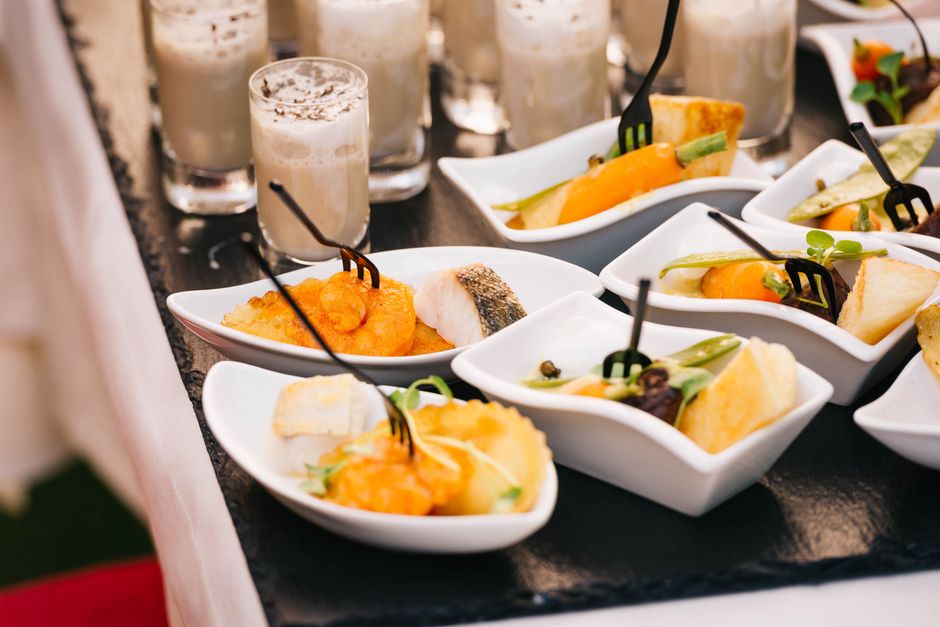
Another cognitive trap is the unit bias, where individuals equate a single serving with the entire container (e.g., a bag of chips or a box of cereal). Research indicates that when food is presented in larger units, people consume more without realizing it. To counteract this, pre-portioning snacks into smaller containers or using compartmentalized plates can disrupt these automatic behaviors. The goal isn’t to eliminate choice but to make the healthy option the effortless one.
Science-Backed Tricks to Shrink Portions Without Feeling Deprived
These strategies are grounded in behavioral psychology and metabolic research, offering practical ways to reduce intake without hunger or guilt:
- Swap large plates for smaller ones. A 2016 study in the Journal of Consumer Research found that switching from a 12-inch to a 9-inch plate reduced food intake by up to 22% in laboratory settings. The visual illusion of a fuller plate tricks the brain into feeling more satisfied with less food.
- Use the “half-plate rule” for vegetables. Filling half the plate with non-starchy vegetables (e.g., leafy greens, broccoli, or peppers) crowds out higher-calorie foods while providing volume and fiber. This aligns with the Harvard Healthy Eating Plate model, which prioritizes plant-based foods for satiety and nutrient density.
- Serve food from the stove, not the table. Keeping serving dishes off the table reduces the tendency to “graze” or take second helpings. A 2012 study in Appetite found that people ate 19% less when food was served from a counter rather than the table, simply because the extra effort discouraged mindless eating.
- Eat slowly and chew thoroughly. The stomach takes about 20 minutes to signal fullness to the brain. Slowing down the pace of eating, ideally to 20–30 minutes per meal, allows satiety hormones to catch up with consumption. Research in the Nutrients Journal links slower eating to reduced calorie intake and improved digestion.
- Pre-portion snacks into 100-calorie servings. While this may seem like calorie counting, the focus is on structure rather than tracking. Using small containers or bags to divide snacks (e.g., nuts, popcorn, or fruit) prevents the “bottomless bowl” effect, where people eat directly from large packages.
Myth: Portion Control Requires Extreme Discipline
A common misconception is that portion control demands rigid self-control, but the opposite is true. The most effective strategies rely on environmental design, making healthy choices the default. For example, the Mayo Clinic emphasizes that portion control works best when paired with mindful eating, not as a standalone rule. This means paying attention to hunger cues, eating without distractions, and recognizing emotional triggers for overeating.
Another myth is that portion control leads to nutrient deficiencies. In reality, the approach prioritizes nutrient-dense foods (e.g., vegetables, lean proteins, whole grains) while moderating calorie-dense options (e.g., fried foods, sweets). The key is balance, not elimination. For instance, a 2018 study in Obesity found that individuals who practiced portion control while maintaining a varied diet lost weight without compromising nutrient intake.
7-Day Portion Control Reset: A Step-by-Step Plan
This actionable plan is designed to rewire eating habits by focusing on structure, not restriction. Adjust portion sizes based on individual needs (e.g., activity level, body size).
| Day | Focus | Action Steps |
|---|---|---|
| Day 1–2 | Plate Reengineering |
|
| Day 3–4 | Snack Structure |
|
| Day 5–6 | Pacing and Mindfulness |
|
| Day 7 | Reflection and Adjustment |
|
When Portion Control Isn’t Enough: Troubleshooting Guide
If portion control feels ineffective, the issue may lie in underlying habits or metabolic factors. Use this checklist to diagnose and adjust:
- Are you eating too quickly? Rapid eating disrupts satiety signals. Try setting a 20-minute timer for meals.
- Are distractions (e.g., TV, phone) derailing mindfulness? Eat at a table without screens to reconnect with hunger cues.
- Are you relying on “diet” foods that lack volume? Prioritize high-fiber, low-calorie foods (e.g., vegetables, broth-based soups) to feel full.
- Is stress or sleep deprivation driving cravings? Poor sleep and high cortisol can increase appetite for hyperpalatable foods. Aim for 7–9 hours of sleep and stress-reduction techniques (e.g., walking, deep breathing).
- Are you underestimating liquid calories? Beverages like soda, juice, or flavored coffee can add hundreds of calories without satiety. Opt for water, herbal tea, or black coffee.
FAQ: Portion Control Clarified
Q: Does portion control work for weight maintenance, or is it just for weight loss?
A: Portion control is equally effective for maintenance because it teaches sustainable habits rather than temporary restriction. The key is consistency in meal structure and mindful eating.
Q: How do I portion food when eating out?
A: Use visual cues: a deck of cards for meat, a tennis ball for starches, and a baseball for vegetables. Alternatively, order an appetizer as your main course or split a dish with a companion.
Q: Can I still enjoy my favorite foods with portion control?
A: Yes. The goal is moderation, not deprivation. For example, a small piece of dark chocolate or a single cookie can fit into a balanced plan if portioned intentionally.
Q: Does portion control require meal prep?
A: While meal prep can help, it’s not mandatory. The focus is on structuring meals and snacks to align with satiety cues, whether at home or on the go.
Key Takeaways: The Science of Portion Control
- Portion control leverages environmental cues (e.g., plate size, serving style) to reduce intake without hunger.
- Mindful eating enhances satiety by slowing down consumption and reconnecting with hunger signals.
- High-volume, low-calorie foods (e.g., vegetables, broth-based soups) promote fullness while moderating calorie intake.
- Pre-portioning snacks and using smaller plates disrupt automatic overeating behaviors.
- Consistency matters more than perfection, small, sustainable adjustments yield long-term results.
Recommended Health & Fitness Gear