Why Portion Control Is the Most Overlooked Weight-Loss Tool
Portion control is often dismissed as a temporary fix, yet research consistently shows it’s one of the most sustainable ways to manage weight without restrictive dieting. A 2020 review in the Nutrients Journal found that individuals who practiced mindful portioning lost weight gradually while maintaining metabolic health. Unlike crash diets, which can slow metabolism and trigger rebound weight gain, portion control works with the body’s natural hunger and satiety signals.
This approach doesn’t require calorie counting or eliminating food groups. Instead, it focuses on volume eating — filling plates with nutrient-dense, high-fiber foods that stretch the stomach and prolong fullness. The Harvard T.H. Chan School of Public Health’s Healthy Eating Plate emphasizes that portion size directly influences energy intake, making it a critical factor in long-term weight management.
How Portion Size Tricks the Brain (And How to Outsmart It)
Humans are wired to associate larger portions with greater value, a phenomenon called the Delboeuf illusion. Studies show that when food is served on a bigger plate, people tend to eat more without realizing it. A 2019 study in the Journal of Consumer Research demonstrated that participants consumed up to 30% more pasta when served on a 12-inch plate compared to a 10-inch plate, despite identical hunger levels.
This visual distortion explains why portion control starts with the right tools. Using smaller plates, bowls, and even colored dinnerware can reduce intake by up to 22%, according to research published in the American Journal of Clinical Nutrition. The Mayo Clinic notes that portion control is most effective when paired with mindful eating — paying attention to hunger cues rather than external cues like plate size.
Three Science-Backed Hacks to Eat Less Without Feeling Deprived
1. The Plate Method: A Visual Guide to Balanced Portions
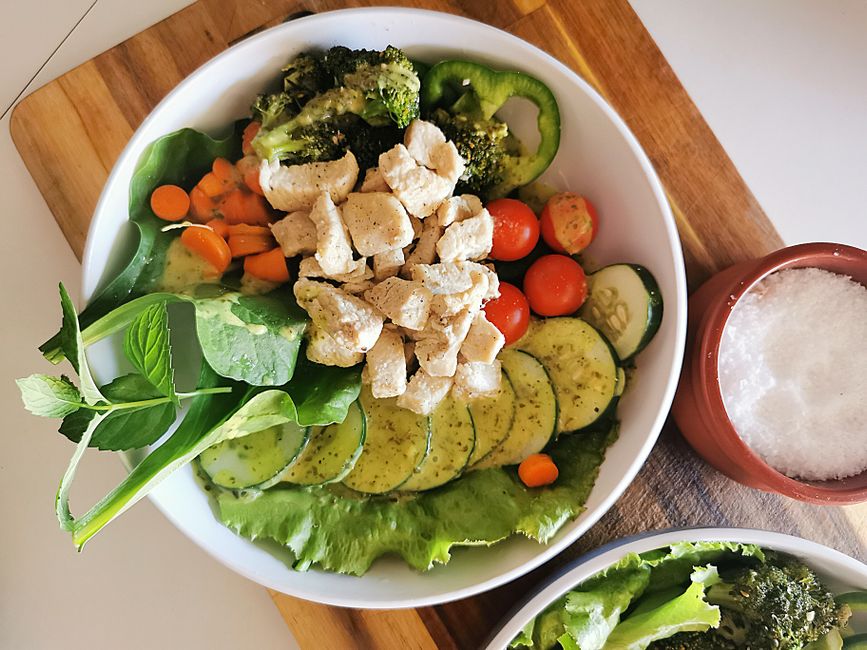
The plate method simplifies portioning by dividing meals into three sections:
- ½ plate non-starchy vegetables (broccoli, spinach, peppers, zucchini). These are low in calories but high in fiber and water, which stretch the stomach and promote satiety.
- ¼ plate lean protein (chicken, fish, tofu, beans). Protein increases thermogenesis, the energy required to digest food, and stabilizes blood sugar to prevent crashes that trigger overeating.
- ¼ plate complex carbohydrates (quinoa, sweet potatoes, brown rice). These provide sustained energy without spiking insulin levels.
This method ensures meals are balanced while naturally reducing calorie density. A 2018 study in Obesity found that participants who used the plate method lost 2.5 times more weight over 12 weeks than those who relied on calorie counting alone.
2. The Hand Method: A Portable Portion Control Tool
For meals on the go, the hand method offers a quick, personalized reference:
- Protein portion = palm-sized (about 3–4 oz cooked).
- Carbohydrate portion = cupped hand (about ½ cup cooked grains or 1 small fruit).
- Fat portion = thumb-sized (about 1 tbsp oils or ¼ avocado).
- Vegetable portion = fist-sized (unlimited, as most are low-calorie).
This system accounts for individual differences in body size and activity levels. Research from the Harvard Nutrition Source supports this approach, noting that portion sizes should scale with energy needs rather than follow a one-size-fits-all guideline.
3. The Two-Bite Rule: A Psychological Trick for Cravings
Cravings often stem from habit rather than true hunger. The two-bite rule leverages sensory-specific satiety, the phenomenon where the first few bites of a food taste best, while subsequent bites become less satisfying. By limiting intake to two bites of a desired food (e.g., dessert, chips, or bread), individuals can satisfy cravings without overconsumption.
A 2021 study in Appetite found that participants who used this strategy reduced their intake of high-calorie foods by 40% over two weeks. The key is to eat slowly and savor those bites, which enhances satisfaction and prevents mindless snacking.
Myth: Portion Control Means Eating Tiny Meals All Day
Contrary to popular belief, portion control doesn’t require shrinking meals to snack-sized portions. The goal is to optimize meal composition rather than frequency. Skipping meals or eating too little can backfire by triggering compensatory overeating later in the day.
Instead, focus on nutrient density. A 2022 meta-analysis in Advances in Nutrition found that individuals who prioritized high-volume, low-calorie foods (e.g., vegetables, lean proteins, whole grains) consumed fewer calories overall without feeling deprived. The key is to structure meals around foods that fill the stomach without filling the calorie count.
Troubleshooting: When Portion Control Fails
If portion control isn’t yielding results, consider these common pitfalls and solutions:
| Issue | Possible Cause | Solution |
|---|---|---|
| Still feeling hungry after meals | Insufficient protein or fiber | Add 1–2 oz lean protein or ½ cup vegetables to meals. |
| Overeating at night | Delayed dinner or insufficient daytime calories | Eat balanced meals every 3–4 hours to prevent blood sugar drops. |
| Portion sizes feel too small | Relying on calorie-dense foods (e.g., cheese, oils, processed snacks) | Swap half the portion for lower-calorie alternatives (e.g., Greek yogurt for sour cream). |
| Stress or boredom eating | Emotional triggers override hunger cues | Use the two-bite rule or replace eating with a non-food activity (e.g., walking, journaling). |
7-Day Portion Control Action Plan
This plan is designed to build habits gradually without overwhelming changes. Adjust portions based on hunger levels and activity.
| Day | Breakfast | Lunch | Dinner | Snack | Key Focus |
|---|---|---|---|---|---|
| Day 1 | ½ cup oatmeal + 1 tbsp almond butter + ½ cup berries | 4 oz grilled chicken + 1 cup quinoa + 1 cup steamed broccoli | 4 oz salmon + 1 cup roasted sweet potatoes + 2 cups mixed greens | 1 small apple + 10 almonds | Use the plate method for lunch and dinner. |
| Day 2 | 2 scrambled eggs + 1 slice whole-grain toast + ½ avocado | 4 oz turkey + 1 cup brown rice + 1 cup sautéed spinach | 4 oz lean beef + 1 cup roasted vegetables + ½ cup mashed cauliflower | 1 cup Greek yogurt + ½ cup blueberries | Practice the hand method for breakfast. |
| Day 3 | 1 cup Greek yogurt + ¼ cup granola + ½ cup strawberries | 4 oz tofu + 1 cup soba noodles + 1 cup stir-fried vegetables | 4 oz baked cod + 1 cup roasted Brussels sprouts + ½ cup wild rice | 1 oz dark chocolate (70%+) + 10 pistachios | Limit snacks to two bites of indulgent foods. |
| Day 4 | Smoothie: 1 cup spinach + ½ banana + 1 scoop protein powder + 1 cup almond milk | 4 oz grilled shrimp + 1 cup farro + 1 cup roasted zucchini | 4 oz chicken + 1 cup mashed sweet potatoes + 2 cups arugula salad | 1 hard-boiled egg + ½ cup carrot sticks | Hydrate with 16 oz water before meals. |
| Day 5 | 2 rice cakes + 2 tbsp hummus + ½ cup sliced cucumber | 4 oz salmon + 1 cup quinoa + 1 cup roasted asparagus | 4 oz lean pork + 1 cup roasted butternut squash + 2 cups mixed greens | 1 small pear + 1 oz cheddar cheese | Use smaller plates for all meals. |
| Day 6 | 1 cup cottage cheese + ½ cup pineapple + 1 tbsp chia seeds | 4 oz grilled chicken + 1 cup couscous + 1 cup steamed green beans | 4 oz baked cod + 1 cup roasted cauliflower + ½ cup mashed potatoes | 1 cup edamame + sea salt | Chew slowly and pause between bites. |
| Day 7 | 1 slice whole-grain toast + 1 tbsp peanut butter + ½ banana | 4 oz turkey + 1 cup wild rice + 1 cup roasted carrots | 4 oz lean beef + 1 cup roasted beets + 2 cups mixed greens | 1 small handful walnuts | Reflect on which strategies felt most sustainable. |
FAQ: Portion Control Demystified
Does portion control work for people with metabolic conditions like diabetes?
Yes. Portion control is particularly effective for managing blood sugar because it prevents spikes in glucose and insulin. The American Diabetes Association recommends using the plate method to balance carbohydrates with fiber and protein.
How do I measure portions without a food scale?
Use your hand as a guide: a palm-sized portion for protein, a cupped hand for carbs, and a thumb-sized portion for fats. For vegetables, aim for at least two fist-sized servings per meal.
Can I still eat out while practicing portion control?
Absolutely. Start by ordering an appetizer as your main course or splitting an entrée with a friend. The Mayo Clinic suggests asking for a to-go box at the beginning of the meal and packing half the portion away immediately.
Why do I feel hungrier on a portion-controlled diet?
Hunger is often a sign of inadequate protein or fiber. Ensure each meal includes a lean protein source and at least one cup of vegetables. Hydration also plays a role, thirst is frequently mistaken for hunger.
Key Takeaways
- Portion control is most effective when combined with mindful eating and balanced meal composition.
- Visual tools like the plate method and hand method simplify portioning without requiring calorie counting.
- High-volume, low-calorie foods (vegetables, lean proteins, whole grains) promote satiety and reduce overall intake.
- Emotional eating and stress can undermine portion control, address triggers with non-food strategies.
- Consistency matters more than perfection; small, sustainable changes yield long-term results.
Recommended Health & Fitness Gear