Why Thyroid Health Demands a Strategic Approach to Nutrition
Thyroid hormones regulate energy production, body temperature, and metabolic rate. When thyroid function declines — whether due to Hashimoto’s thyroiditis, iodine deficiency, or other factors — metabolism slows, and energy levels drop. Nutrition plays a vital role in supporting thyroid hormone synthesis, conversion, and sensitivity. A well-designed diet can help stabilize thyroid function, reduce inflammation, and improve metabolic efficiency without relying on restrictive or unbalanced eating patterns.
Research underscores the importance of specific nutrients in thyroid health. For example, selenium and iodine are essential cofactors for thyroid hormone production, while zinc and iron support enzymatic processes critical to thyroid function. However, the relationship between diet and thyroid health is nuanced. Excessive iodine intake can exacerbate autoimmune thyroid disease in susceptible individuals, while inadequate selenium may impair hormone conversion. The key lies in precision, not elimination.
Core Nutrients for Thyroid Support, and How to Source Them
Thyroid function depends on a delicate balance of micronutrients. Prioritizing whole-food sources ensures bioavailability and minimizes the risk of over- or under-supplementation. Below are the most critical nutrients, their roles, and practical ways to incorporate them into meals.
Iodine: The Double-Edged Sword
Iodine is required for the production of thyroid hormones T4 and T3. However, the body’s need for iodine varies widely depending on baseline thyroid health, diet, and geographic location. While mild iodine deficiency is linked to goiter and hypothyroidism, excessive intake can trigger or worsen autoimmune thyroid disease in genetically predisposed individuals.
For most adults, the recommended dietary allowance (RDA) is 150 mcg per day. Food sources include:
- Seaweed (nori, wakame, kombu): 1 sheet of nori provides ~300 mcg; however, iodine content varies significantly by type and brand. Use sparingly if thyroid antibodies are elevated.
- Dairy products: Milk and yogurt contribute ~50–100 mcg per serving due to iodine fortification in livestock feed.
- Eggs: One large egg contains ~25 mcg, primarily in the yolk.
- Iodized salt: ¼ teaspoon provides ~95 mcg, but intake should be moderated in individuals with hypertension or autoimmune thyroid conditions.
Individuals with Hashimoto’s thyroiditis or positive thyroid antibodies should consult a healthcare provider before increasing iodine intake, as excessive iodine can stimulate antibody production in some cases. Research in the Nutrients journal highlights the need for personalized iodine strategies based on thyroid antibody status.
Selenium: The Antioxidant Backbone of Thyroid Hormone Conversion
Selenium is a cofactor for enzymes that convert inactive T4 into active T3. It also protects the thyroid gland from oxidative stress, which is elevated in autoimmune thyroid disease. The RDA for selenium is 55 mcg per day for adults, with upper limits set at 400 mcg to avoid toxicity.
Top food sources include:
- Brazil nuts: Just one nut provides ~95 mcg, making it the most concentrated dietary source. Consuming 1–2 nuts daily is sufficient for most individuals.
- Seafood: Tuna, sardines, and shrimp contain ~40–90 mcg per 3-ounce serving.
- Organ meats: Chicken liver provides ~30 mcg per 3-ounce serving.
- Eggs and mushrooms: Each contributes ~10–20 mcg per serving.
While selenium deficiency is rare in healthy populations, individuals with autoimmune thyroid disease may benefit from modest supplementation under medical supervision. However, high-dose selenium (above 200 mcg/day) can lead to toxicity, including hair loss and neurological symptoms.
Zinc and Iron: The Unsung Metabolic Regulators
Zinc supports thyroid hormone synthesis and immune function, while iron is required for the conversion of T4 to T3. Deficiencies in either mineral are linked to hypothyroidism and reduced metabolic efficiency. The RDA for zinc is 8–11 mg/day for adults, and for iron, it ranges from 8–18 mg/day depending on age and sex.
Zinc-rich foods include:
- Oysters (74 mg per 3-ounce serving)
- Beef and lamb (5–7 mg per 3-ounce serving)
- Pumpkin seeds (2.2 mg per ¼ cup)
- Lentils and chickpeas (1–2 mg per ½ cup cooked)
Iron-rich foods include:
- Red meat and organ meats (2–3 mg per 3-ounce serving)
- Shellfish (2–5 mg per 3-ounce serving)
- Spinach and Swiss chard (3–6 mg per ½ cup cooked)
- Lentils and tofu (3–4 mg per ½ cup cooked)
Iron absorption is enhanced by vitamin C (e.g., citrus fruits, bell peppers) but inhibited by calcium-rich foods and tannins in tea or coffee. Individuals with iron-deficiency anemia should prioritize heme iron sources (animal-based) and consider supplementation if levels are low, as plant-based iron (non-heme) is less bioavailable.
Balanced Macronutrients: The Foundation of Metabolic Stability
A diet that supports thyroid health is not about macronutrient extremes but about balance and consistency. Protein, for instance, provides amino acids necessary for hormone synthesis and satiety regulation. Fiber-rich carbohydrates stabilize blood sugar, reducing cortisol spikes that can impair thyroid function. Healthy fats, including omega-3s, support cell membrane integrity and reduce inflammation.
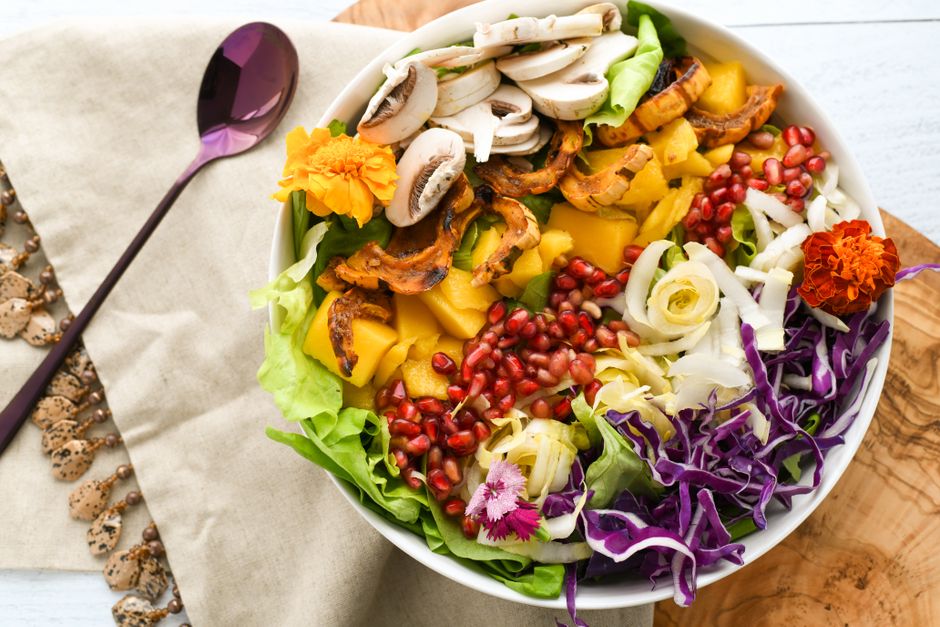
The Harvard T.H. Chan School of Public Health’s Healthy Eating Plate offers a flexible template: fill half the plate with vegetables and fruits, a quarter with whole grains or starchy vegetables, and a quarter with lean protein. Add a source of healthy fat (e.g., olive oil, avocado, nuts) and a calcium-rich food (e.g., leafy greens, fortified plant milk) to round out the meal.
Common Myths About Thyroid Nutrition
Myth: Eating goitrogenic foods like cruciferous vegetables causes hypothyroidism.
Reality: Goitrogens, found in raw kale, spinach, broccoli, and Brussels sprouts, can interfere with iodine uptake when consumed in excessive amounts and raw. However, cooking deactivates most goitrogens, and the quantities typically consumed in a balanced diet do not pose a risk to thyroid health. In fact, these vegetables are rich in antioxidants and fiber, which support overall metabolic health. The Mayo Clinic notes that goitrogens are only a concern in individuals with severe iodine deficiency or those consuming raw cruciferous vegetables in very high quantities daily.
Myth: Gluten must be eliminated for all thyroid patients.
Reality: While gluten may trigger inflammation in individuals with celiac disease or non-celiac gluten sensitivity, there is no universal need to eliminate gluten unless a diagnosed intolerance exists. For those with Hashimoto’s thyroiditis, gluten sensitivity is more common due to molecular mimicry between gluten proteins and thyroid tissue, but this is not the case for everyone. A gluten-free diet should be pursued only after testing or clear symptom correlation.
7-Day Thyroid-Supportive Meal Framework
This plan prioritizes nutrient density, balance, and practicality. Adjust portion sizes based on individual needs, activity levels, and hunger cues. Include a variety of colors and textures to ensure micronutrient diversity.
Day 1
- Breakfast: Scrambled eggs with spinach, mushrooms, and a side of ½ avocado. Sprinkle with pumpkin seeds.
- Lunch: Grilled salmon with quinoa, roasted Brussels sprouts, and a lemon-tahini dressing.
- Dinner: Turkey chili with kidney beans, bell peppers, and tomatoes. Serve with a side of steamed broccoli.
- Snacks: 1 Brazil nut, ½ cup Greek yogurt with blueberries, or carrot sticks with hummus.
Day 2
- Breakfast: Oatmeal topped with sliced banana, chia seeds, and a sprinkle of cinnamon.
- Lunch: Lentil soup with a side of mixed greens dressed in olive oil and balsamic vinegar.
- Dinner: Baked cod with roasted sweet potatoes and sautéed kale.
- Snacks: Hard-boiled egg, ¼ cup almonds, or apple slices with almond butter.
Day 3
- Breakfast: Smoothie with spinach, frozen mango, Greek yogurt, and flaxseeds.
- Lunch: Grilled chicken salad with mixed greens, cherry tomatoes, cucumber, and olive oil dressing.
- Dinner: Beef stir-fry with bell peppers, snap peas, and brown rice.
- Snacks: 1 Brazil nut, ½ cup cottage cheese with pineapple, or celery sticks with cream cheese.
Day 4
- Breakfast: Chia pudding made with almond milk, topped with walnuts and raspberries.
- Lunch: Sardine toast on whole-grain bread with mashed avocado and arugula.
- Dinner: Baked chicken thighs with roasted carrots and mashed cauliflower.
- Snacks: ¼ cup walnuts, ½ cup edamame, or pear slices with ricotta.
Day 5
- Breakfast: Greek yogurt parfait with granola, strawberries, and hemp seeds.
- Lunch: Quinoa bowl with roasted chickpeas, roasted zucchini, and tahini dressing.
- Dinner: Grilled shrimp skewers with wild rice and steamed asparagus.
- Snacks: 1 Brazil nut, ½ cup cottage cheese with peaches, or cucumber slices with tzatziki.
Day 6
- Breakfast: Veggie omelet with feta cheese and a side of whole-grain toast.
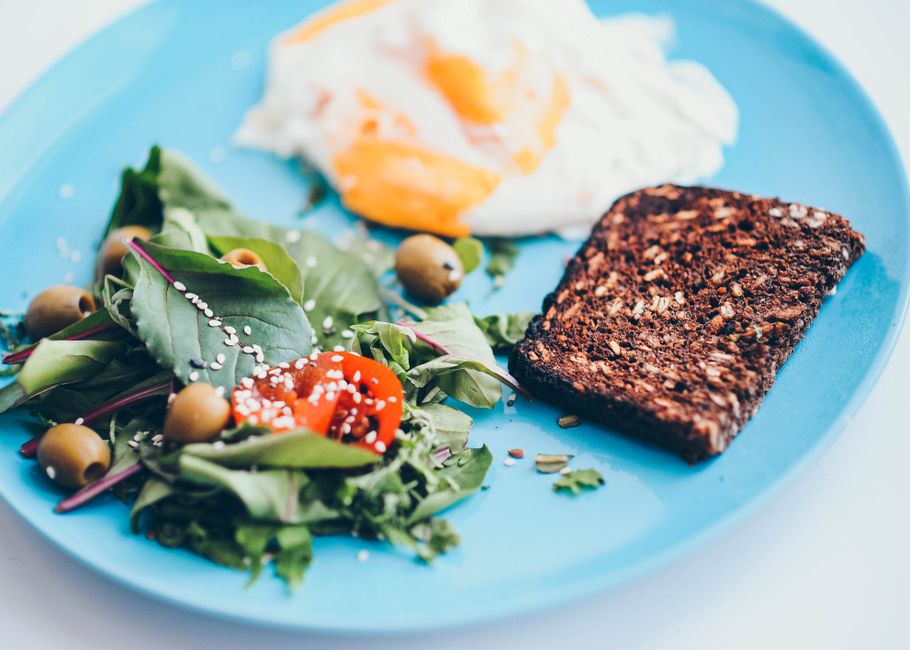
- Lunch: Tuna salad with mixed greens, olives, and olive oil dressing.
- Dinner: Lamb chops with roasted butternut squash and sautéed spinach.
- Snacks: ¼ cup pumpkin seeds, ½ cup Greek yogurt with blackberries, or rice cakes with almond butter.
Day 7
- Breakfast: Buckwheat pancakes with almond butter and sliced strawberries.
- Lunch: Grilled tofu with brown rice and steamed broccoli.
- Dinner: Roasted chicken with roasted beets and a side salad.
- Snacks: 1 Brazil nut, ½ cup edamame with sea salt, or apple with cheddar cheese.
Troubleshooting Protocol: When Weight or Energy Plateaus
Plateaus in weight or energy are common in thyroid-related metabolic slowdowns. Before adjusting calories or macronutrients, address these potential issues:
1. Assess Micronutrient Status
If fatigue persists despite adequate sleep and balanced meals, consider testing for deficiencies in selenium, zinc, iron, or vitamin D. Supplement only if levels are confirmed low, as excess intake can be counterproductive.
2. Optimize Sleep and Stress Management
Chronic stress elevates cortisol, which can impair thyroid hormone conversion and increase water retention. Prioritize 7–9 hours of sleep nightly and incorporate stress-reduction techniques such as deep breathing, gentle yoga, or short walks. Avoid caffeine after 2 PM if sleep is disrupted.
3. Rebalance Macronutrients
If weight loss stalls, increase protein slightly (by 10–15 grams/day) to support satiety and lean mass retention. Reduce refined carbohydrates and sugars, which can spike insulin and exacerbate inflammation. Ensure fiber intake is adequate (25–35 grams/day) to support gut health and metabolic regulation.
4. Monitor Goitrogen Intake
If consuming large quantities of raw cruciferous vegetables (e.g., multiple cups daily), lightly steam or sauté them to reduce goitrogen content. Pair with iodine-rich foods (e.g., eggs, dairy) to mitigate any potential interference.
5. Hydration and Electrolytes
Dehydration can mimic or worsen fatigue. Aim for at least half your body weight (in pounds) in ounces of water daily, adjusting for activity and climate. Include electrolytes (sodium, potassium, magnesium) if sweating heavily or experiencing muscle cramps.
Frequently Asked Questions
Can diet alone reverse Hashimoto’s thyroiditis?
Diet cannot reverse autoimmune thyroid disease, but it can help reduce inflammation, support thyroid function, and improve symptoms. A balanced diet rich in selenium, zinc, and antioxidants may lower antibody levels and improve quality of life. However, medication (e.g., levothyroxine) is typically required to normalize thyroid hormone levels.
Is intermittent fasting safe for thyroid patients?
Intermittent fasting may be safe for some individuals with stable thyroid function, but it can exacerbate fatigue or blood sugar dysregulation in others. If attempting fasting, start with a 12-hour overnight window and monitor energy levels, sleep, and hunger cues. Avoid fasting if thyroid levels are unstable or symptoms of adrenal fatigue are present.
How does alcohol affect thyroid function?
Alcohol can impair thyroid hormone synthesis and conversion, particularly when consumed in excess. It may also increase inflammation and disrupt sleep, indirectly affecting metabolic health. Moderation is key; limit intake to 1 drink per day for women and 2 for men, and avoid alcohol close to bedtime.
Should I take a multivitamin if I have thyroid disease?
A multivitamin can help fill nutrient gaps, but it should not replace a balanced diet. Choose a formula without excessive iodine (unless prescribed) and with moderate selenium (50–100 mcg). Always consult a healthcare provider before starting supplements, as interactions with thyroid medication are possible.
Key Takeaways
- Thyroid health depends on a balance of iodine, selenium, zinc, and iron, but individual needs vary.
- Goitrogenic foods are only a concern in excessive amounts or raw forms; cooking mitigates their effects.
- A balanced plate, half vegetables, a quarter protein, a quarter whole grains, and healthy fats, supports metabolic stability.
- Plateaus in weight or energy often stem from micronutrient gaps, stress, or sleep disruption rather than calorie miscalculations.
- Supplementation should be targeted and evidence-based, not universal or high-dose.
Recommended Health & Fitness Gear