The Scale Doesn’t Tell the Whole Story: Why Fat Loss and Weight Loss Aren’t the Same
Stepping on a scale provides a single number — total body mass — but it reveals nothing about what that mass actually contains. The human body is a dynamic system where fat, muscle, water, and bone constantly shift in response to diet, exercise, and lifestyle. When the goal is health improvement rather than mere weight reduction, understanding the difference between fat loss and weight loss becomes essential.
Weight loss can occur through loss of water, muscle, or fat, each with distinct implications for health and appearance. Fat loss, by contrast, specifically targets adipose tissue while preserving, or even increasing, metabolically active lean mass. This distinction explains why two people with identical body weights can look and feel dramatically different. The scale’s limitations underscore the need for better measurement tools and a more nuanced approach to body change.
How the Body Loses Fat vs. Weight
When energy intake falls below energy expenditure, the body taps into stored reserves to meet its needs. Fat loss occurs when fat cells release stored triglycerides for fuel, a process regulated by hormones like insulin and cortisol. However, weight loss can also stem from reductions in water weight or muscle mass, neither of which contributes to long-term health improvements.
Water weight fluctuates daily due to hydration status, sodium intake, and glycogen depletion. Muscle loss, while less common in well-designed programs, can occur during aggressive calorie restriction or inadequate protein intake. Neither outcome supports sustainable fat loss or improved body composition. Instead, the focus should be on creating a modest, sustainable energy deficit while prioritizing nutrient-dense foods and resistance training to protect lean tissue.
Research from the Nutrients Journal (PMC) highlights that protein intake and strength training are critical for preserving muscle during weight loss. Without these, the body may break down muscle for energy, leading to a lower weight but poorer body composition and reduced metabolic rate.
Why the Scale Lies: Common Measurement Pitfalls
The scale’s simplicity is its greatest weakness. It cannot distinguish between fat loss and weight loss from other sources, nor can it account for natural fluctuations in water retention or digestive content. For example, consuming a high-sodium meal can cause temporary water retention, masking fat loss progress. Similarly, glycogen depletion from exercise can reduce water weight, creating the illusion of rapid fat loss that isn’t sustainable.
Body composition tracking methods like skinfold calipers, bioelectrical impedance analysis (BIA), or dual-energy X-ray absorptiometry (DEXA) provide far more useful data. Even simpler tools like progress photos, waist measurements, or how clothes fit offer practical insights when used consistently. The key is to focus on trends over time rather than daily fluctuations.
According to the Harvard T.H. Chan School of Public Health, relying solely on the scale can lead to misguided dietary choices, such as cutting calories too aggressively or eliminating nutrient-rich foods that support muscle retention and overall health.
Myth: Muscle Weighs More Than Fat
A persistent myth claims that muscle is denser than fat, so a pound of muscle weighs more than a pound of fat. This is physically impossible, one pound is one pound, regardless of tissue type. The confusion arises because muscle takes up less space than fat, so a person can lose inches and gain definition while the scale barely budges or even increases slightly.
This phenomenon, often called body recomposition, occurs when fat loss and muscle gain happen simultaneously. It’s most common in beginners, detrained individuals returning to training, or those using performance-enhancing drugs. For most adults, recomposition is less likely without targeted training and nutrition strategies, but the principle remains: muscle and fat have different visual and functional impacts, even if their weights are equal.
Strategies for Sustainable Fat Loss
Achieving fat loss without sacrificing muscle requires a balanced approach that prioritizes nutrition, training, and recovery. The following strategies are evidence-based and designed for long-term adherence rather than quick fixes.
1. Prioritize Protein and Fiber
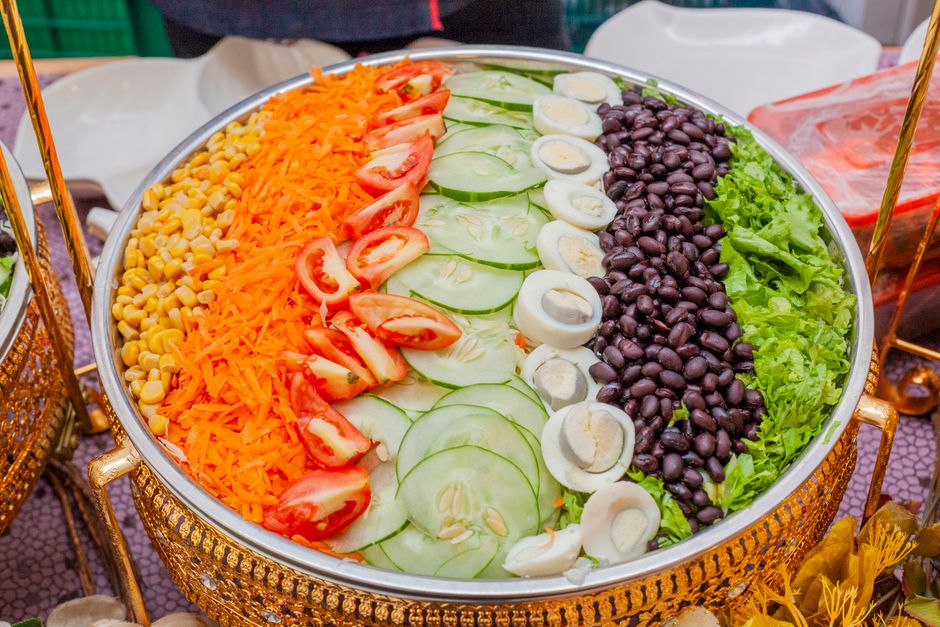
Protein supports muscle retention, increases satiety, and has a higher thermic effect than fats or carbohydrates. Aim for 1.6 to 2.2 grams of protein per kilogram of body weight daily, adjusting based on activity level and goals. High-fiber foods like vegetables, legumes, and whole grains slow digestion, stabilize blood sugar, and reduce cravings.
The Mayo Clinic Nutrition Guide recommends filling half the plate with vegetables and fruits, a quarter with lean protein, and a quarter with whole grains or starchy vegetables to support balanced meals.
2. Strength Training Over Spot Reduction
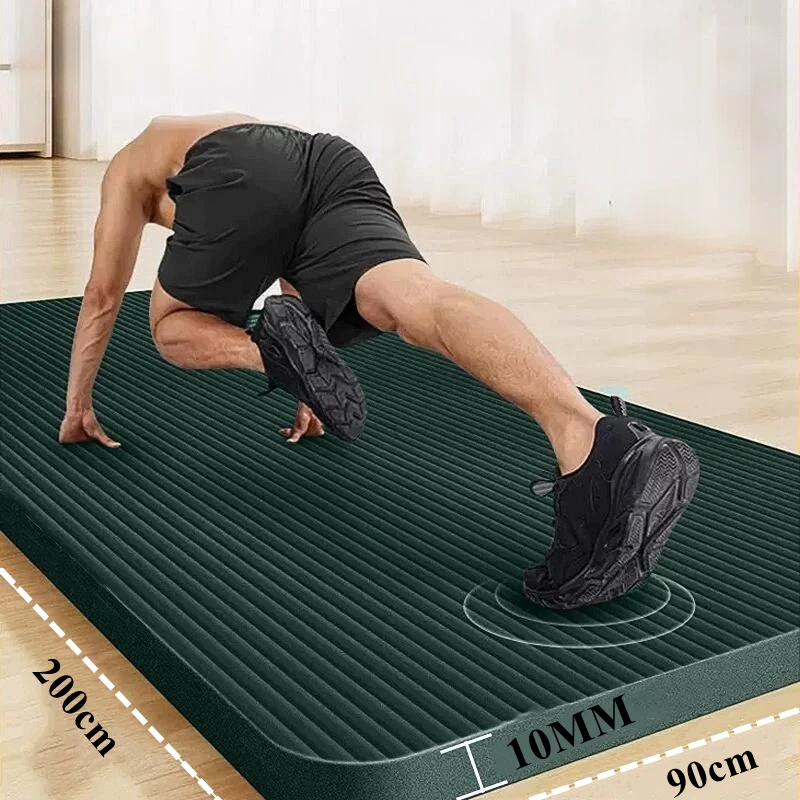
Resistance training preserves metabolically active lean mass during a calorie deficit, which is critical for maintaining metabolic rate and functional strength. Focus on compound movements like squats, deadlifts, presses, and rows, performed 2 to 4 times per week. Progressive overload, gradually increasing weight or volume, ensures continued adaptation and muscle retention.
3. Moderate Caloric Deficit
A deficit of 10 to 20% below maintenance is sustainable for most adults, though individual needs vary based on body size, activity, and metabolic adaptation. Aggressive deficits increase the risk of muscle loss, metabolic slowdown, and nutrient deficiencies. Track intake using apps or journals, but remain flexible, adjust based on progress over weeks, not days.
4. Manage Stress and Sleep
Chronic stress elevates cortisol, which can increase appetite, disrupt sleep, and promote water retention. Poor sleep further impairs hunger-regulating hormones like ghrelin and leptin, making adherence to a deficit more difficult. Aim for 7 to 9 hours of quality sleep nightly and incorporate stress-reduction practices such as walking, meditation, or deep breathing.
7-Day Action Plan for Fat Loss Without the Scale’s Distractions
This plan shifts focus from weight to measurable behaviors and body composition indicators. Use it as a template, adjusting portions and exercises to fit individual needs.
| Day | Nutrition Focus | Training Focus | Recovery & Tracking |
|---|---|---|---|
| Monday | 30g protein at breakfast, 25g fiber | Full-body strength (squat, bench, row) | Morning weight and waist measurement |
| Tuesday | Hydrate with 2L water, limit added sugars | 20-minute brisk walk + core circuit | Progress photo in same lighting/clothing |
| Wednesday | Protein at every meal, 1 palm-sized portion of healthy fats | Lower-body strength (deadlift, lunge, calf raise) | Check energy levels and sleep duration |
| Thursday | Increase vegetable intake to 3 cups | Upper-body strength (pull-up, overhead press, bicep curl) | Review food log for missed protein targets |
| Friday | Pre-plan weekend meals to avoid impulsive choices | 30-minute low-intensity cardio (cycling, swimming) | Assess hunger and cravings patterns |
| Saturday | Include one high-protein snack before bed | Full-body circuit or sport activity | Compare photos and measurements to Monday |
| Sunday | Reflect on adherence and adjust next week’s plan | Active recovery (yoga, stretching, light walk) | Plan meals for the coming week |
Troubleshooting Plateaus Without the Scale
Plateaus are normal, but they don’t always mean fat loss has stalled. Use these steps to diagnose and adjust:
- Check hydration and sodium: Reduce processed foods and increase water intake for 48 hours to assess water retention.
- Review protein and training consistency: Ensure protein intake is adequate and strength sessions are progressive.
- Evaluate sleep and stress: Poor sleep or high stress can mask fat loss by increasing water weight and cravings.
- Reassess measurements: If waist or hip measurements are stable but weight fluctuates, focus on body composition trends.
- Adjust calories gradually: Reduce intake by 100 to 200 kcal or increase activity by 10 to 15 minutes daily, not both at once.
FAQ: Fat Loss vs. Weight Loss
Can I lose fat without losing weight?
Yes, through body recomposition, losing fat while gaining muscle. This is most common in beginners or those returning to training after a break. It requires adequate protein, strength training, and a modest calorie deficit or maintenance intake.
How often should I measure progress if not using the scale?
Aim for weekly waist and hip measurements, monthly progress photos in consistent lighting and clothing, and quarterly body fat assessments if available. Daily fluctuations are normal; trends over time provide the most reliable data.
Does drinking more water help with fat loss?
Indirectly, yes. Proper hydration supports metabolic processes, reduces water retention caused by dehydration, and can help control appetite. Aim for 2 to 3 liters daily, adjusting for body size and activity.
Why do I look leaner but the scale hasn’t changed?
This typically indicates fat loss and muscle gain or reduced water retention. Muscle is denser than fat, so it takes up less space. Clothes fitting better, visible muscle definition, and reduced waist measurements are stronger indicators of progress than weight alone.
Key Takeaways
- Fat loss and weight loss are not the same. The scale cannot distinguish between them, so use multiple indicators like measurements, photos, and energy levels.
- Muscle retention is critical. Prioritize protein and strength training to preserve lean mass during a deficit.
- Sustainable fat loss requires balance. Moderate deficits, nutrient-dense foods, and stress management support long-term adherence and health.
- Progress is nonlinear. Focus on trends over weeks or months, not daily fluctuations.
- Body composition matters more than weight. A lower weight with poor body composition is less healthy than a higher weight with high muscle and low fat.
By shifting focus from the scale to measurable behaviors and body composition, individuals can achieve meaningful, sustainable fat loss without the frustration of misleading data. The goal isn’t to lose weight, it’s to lose fat while improving health, function, and confidence.
Recommended Health & Fitness Gear