Does Drinking Alcohol Make You Gain Weight? The Science Behind the Link
Alcohol is a calorie-dense macronutrient, delivering 7 calories per gram — almost as much as fat. Unlike protein or carbohydrates, alcohol is not stored in the body. Instead, it takes metabolic priority, meaning its oxidation temporarily halts the breakdown of other energy sources. This metabolic shift can influence weight management in several ways, from appetite regulation to sleep quality. Understanding these mechanisms is key to making informed choices about alcohol consumption without relying on oversimplified narratives.
How Alcohol Affects Energy Balance and Appetite
Alcohol’s caloric contribution is often underestimated because it doesn’t register the same way as food in hunger cues. Research indicates that alcohol can stimulate appetite through multiple pathways. It lowers inhibitions, which may lead to overeating, and it disrupts the balance of hunger-regulating hormones like leptin and ghrelin. A study published in Nutrients found that alcohol consumption was associated with increased subsequent food intake, particularly in the form of high-calorie, palatable foods (Source: Nutrients Journal).
Additionally, alcohol is metabolized in the liver, where it competes with other metabolic processes. This can slow the oxidation of fats and carbohydrates, potentially shifting energy storage toward fat. However, the extent of this effect varies widely depending on individual metabolism, drinking patterns, and overall diet quality.
The Role of Alcohol in Visceral Fat and Metabolic Health
While alcohol itself contributes to total calorie intake, its impact on body composition — particularly visceral fat, is more nuanced. Visceral fat, the fat stored around internal organs, is linked to metabolic dysfunction. Some evidence suggests that chronic alcohol consumption may promote visceral fat accumulation, but this is not universal. Factors such as drinking frequency, beverage choice, and overall dietary patterns play significant roles.
Alcohol’s effect on insulin sensitivity further complicates the picture. Heavy drinking can impair insulin signaling, increasing the risk of fat storage. However, moderate consumption may have a different impact. The relationship between alcohol and metabolic health is not linear, and individual responses vary based on genetics, lifestyle, and drinking habits.
Does Alcohol Directly Cause Weight Gain?
Weight gain occurs when calorie intake exceeds expenditure over time. Alcohol contributes to this equation by adding calories without providing satiety. A standard drink (12 oz beer, 5 oz wine, or 1.5 oz spirits) contains roughly 100–150 calories, but these calories are often consumed in addition to food, not instead of it. This “add-on” effect can lead to a gradual increase in total daily calories, contributing to weight gain over time.
However, alcohol does not cause weight gain in isolation. The context matters. For example, someone who replaces a high-calorie dessert with a glass of wine may see no net change in weight. Conversely, someone who drinks multiple cocktails while eating fried foods is likely to consume excess calories. The key is recognizing alcohol as a potential contributor to calorie surplus rather than an inevitable cause of weight gain.
What Actually Works: Strategies to Minimize Alcohol’s Impact on Weight
If alcohol is part of your routine, small adjustments can help mitigate its effects on weight management. The goal is not to eliminate alcohol entirely but to integrate it in a way that aligns with overall health goals.
Choose Lower-Calorie Options
Not all alcoholic beverages are created equal. Some options are significantly lower in calories than others, making them more compatible with a weight-conscious lifestyle. For example:
- Dry wines (red or white) typically contain fewer calories than sweet wines or dessert wines.
- Light beers and seltzers often have 100 calories or fewer per serving.
- Spirits mixed with zero-calorie beverages (e.g., vodka soda) can be a lower-calorie alternative to sugary cocktails.
It’s important to note that even low-calorie drinks can contribute to weight gain if consumed in excess. Portion control remains critical.
Prioritize Hydration and Food Pairings
Alcohol is a diuretic, which can lead to dehydration and subsequent water retention. Drinking a glass of water between alcoholic beverages helps mitigate this effect and may reduce overall consumption. Additionally, pairing alcohol with protein-rich or high-fiber foods can slow digestion and promote satiety, potentially curbing overeating.
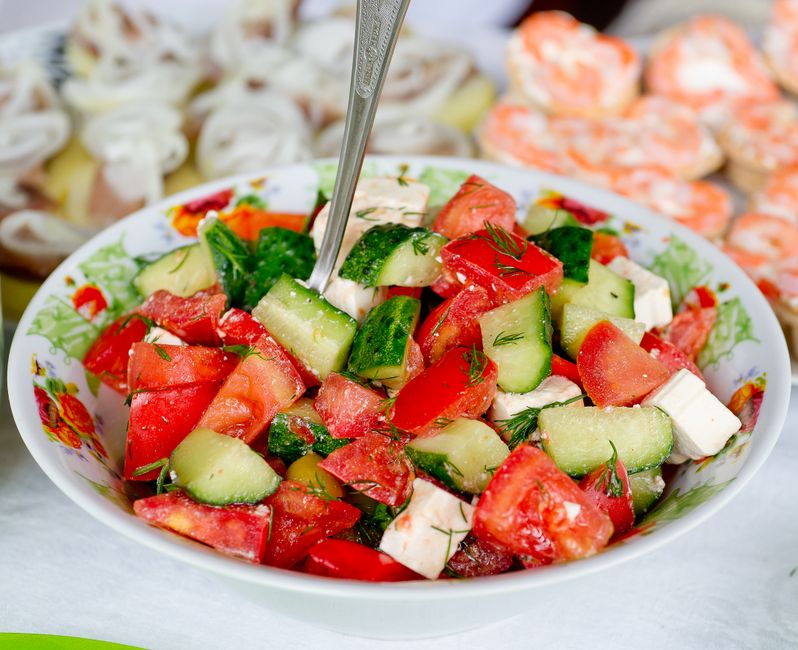
For example, opting for a glass of wine with grilled chicken and vegetables is a more balanced choice than drinking on an empty stomach or with high-calorie bar snacks.
Time Your Drinks Strategically
The timing of alcohol consumption can influence its impact on weight. Drinking late at night may disrupt sleep, which is linked to increased hunger and reduced physical activity the following day. Alcohol’s sedative effects can also reduce NEAT (non-exercise activity thermogenesis), such as fidgeting or walking, which contributes to daily calorie expenditure.
If alcohol is part of your evening routine, consider finishing drinks at least a few hours before bedtime to allow your body to metabolize it more efficiently.
Balance Alcohol with Physical Activity
Physical activity does not “cancel out” the calories from alcohol, but it can help maintain energy balance. Strength training, in particular, may mitigate some of the negative effects of alcohol on muscle metabolism. However, excessive alcohol consumption can impair workout performance and recovery, so moderation is key.
Myth Busting: Alcohol and Weight Gain
Myth: “Alcohol turns directly into fat.”
This is a common misconception. Alcohol is metabolized in the liver, where it is broken down into acetate before being converted to carbon dioxide and water for excretion. While alcohol’s metabolism can temporarily halt fat oxidation, it does not “turn into” fat in the way that dietary fat does. The primary concern is its caloric contribution and its effect on appetite and food choices.
FAQ: Alcohol and Weight Management
Can I drink alcohol and still lose weight?
Yes, but it requires careful planning. Alcohol’s calories must be accounted for within your daily energy needs. If you choose to drink, opt for lower-calorie options, limit frequency, and avoid pairing it with high-calorie foods. Tracking your intake can help you stay within your goals without feeling deprived.
Does red wine have unique benefits for weight loss?
Red wine contains antioxidants like resveratrol, which have been studied for their potential metabolic benefits. However, these benefits are not significant enough to outweigh the calories in the wine itself. Moderate red wine consumption may fit into a balanced diet, but it is not a weight-loss strategy on its own.
How does alcohol affect muscle growth?
Alcohol can impair muscle protein synthesis, the process by which muscles repair and grow. It also disrupts sleep, which is critical for recovery. For those focused on muscle gain, minimizing alcohol consumption, especially around workouts, is advisable.
Is it better to drink on an empty stomach or with food?
Drinking on an empty stomach can lead to faster alcohol absorption and increased intoxication, which may impair judgment and lead to overeating. Eating a balanced meal before drinking can slow alcohol absorption and promote satiety, reducing the likelihood of consuming excess calories.
Key Takeaways
- Alcohol contributes to weight gain primarily through its caloric content and its effect on appetite and food choices.
- Not all alcoholic beverages are equal, lower-calorie options like dry wines, light beers, and spirits mixed with zero-calorie beverages can help minimize calorie intake.
- Timing and context matter. Drinking late at night or with high-calorie foods increases the risk of weight gain.
- Alcohol’s impact on metabolism is complex and varies by individual. Moderation and mindful consumption are key to balancing its effects with overall health goals.
- Hydration, food pairings, and physical activity can help mitigate some of alcohol’s negative effects on weight management.
For further guidance on nutrition and weight management, refer to resources from the Harvard T.H. Chan School of Public Health and the Mayo Clinic Nutrition Guide.
Recommended Health & Fitness Gear